Prehistory
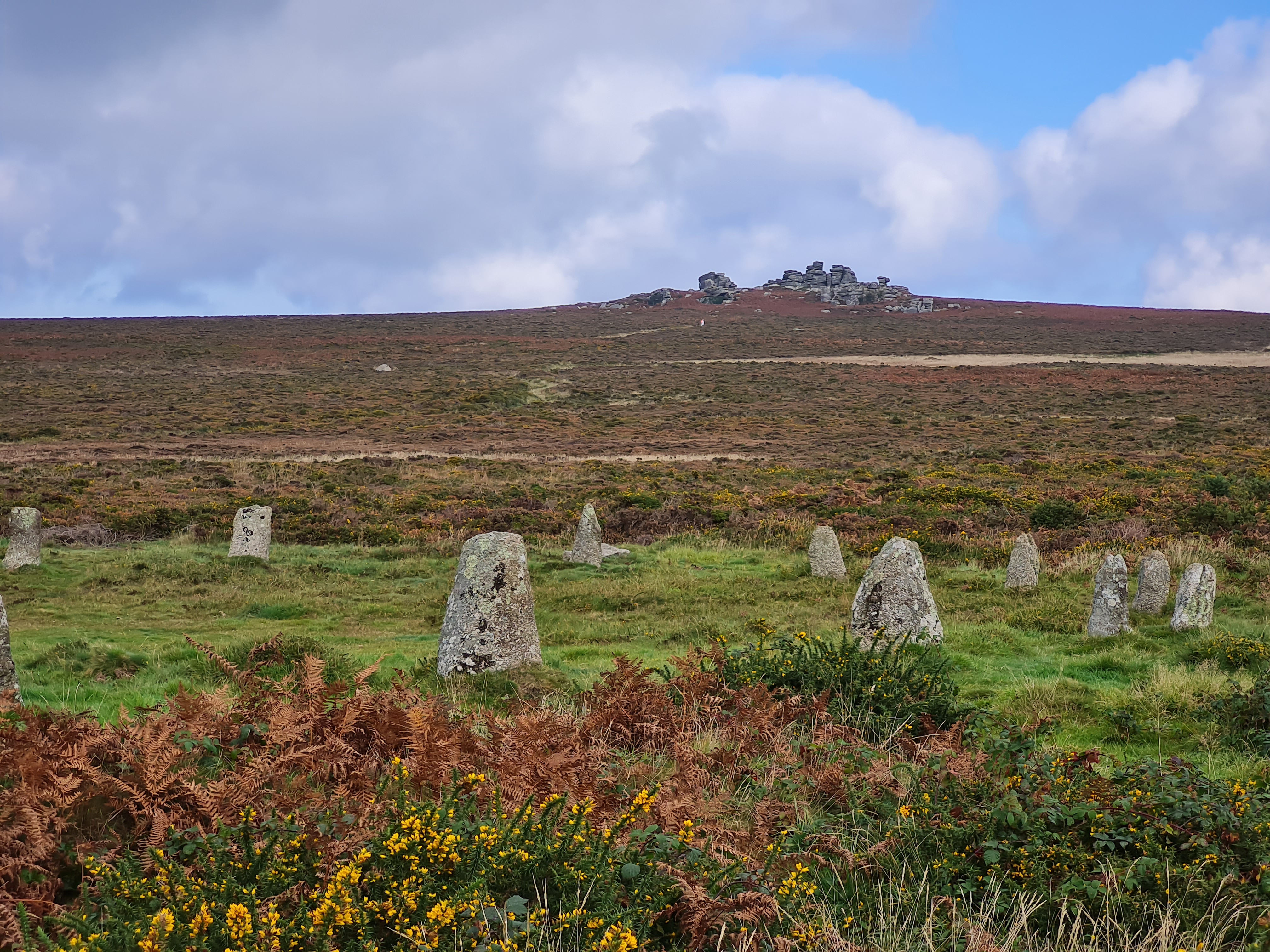

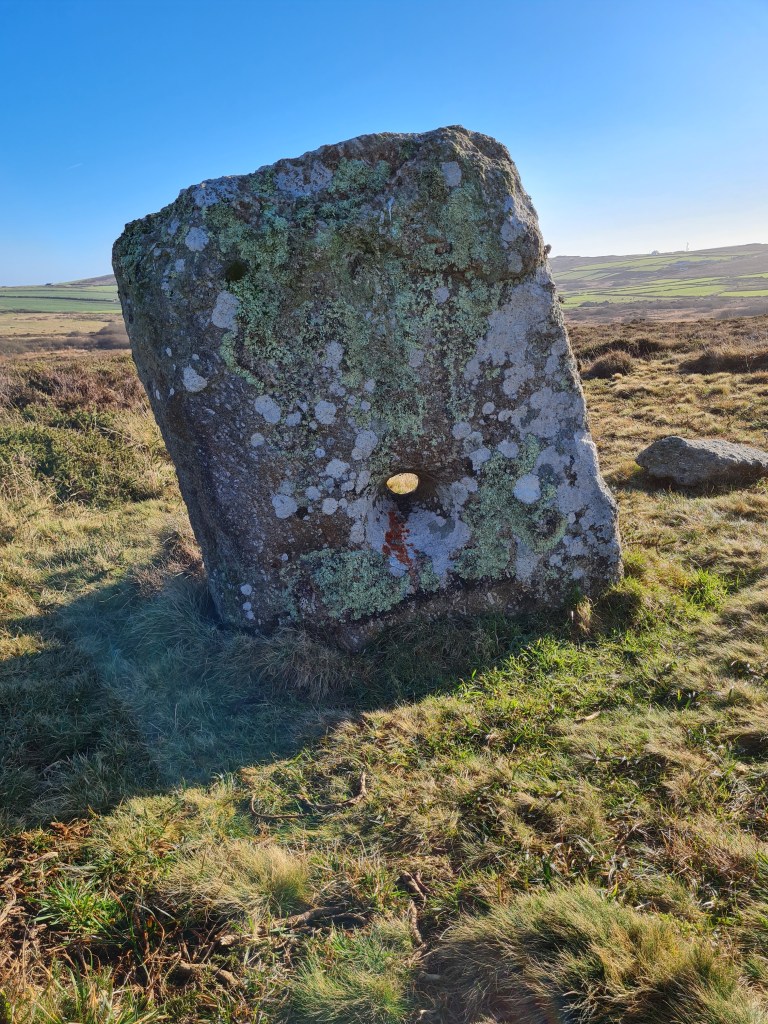
Continuous occupation of Cornwall started at the end of the last ice age (about 8000 BC). In Neolithic times (4000-2500 BC) there was significant social and agricultural development with extensive farming and the appearance of settlements, Cornish hedges and field systems. The early Bronze Age (2400-1500 BC) tapped the resources of tin and copper with tin-streaming and open-cast mining. Extensive trading of these metals occurred across Europe as early as 1600 BC. The Iron Age began around 750 BC, accompanied by the spread of Celtic cultures and peoples. The availability of iron ploughs and axes expanded the definition of arable land. Cornwall was settled in the Iron Age by the Cornovii tribe, who like all southern Celts of the time were known as Britons and spoke a Common Brittonic language. Their name likely gave rise to the Cornish Kernow, to which the Old English word Wealas (foreigner) was added to become Cornwall.
The first known account of Cornwall comes from The Sicilian Greek historian Diodorus Siculus (about 90-30 BC) who supposedly paraphrased Pythea, the 4th C BC geographer:
The inhabitants of that part of Britain called Belerion (or Land’s End) from their intercourse with foreign merchants, are civilised in their manner of life. They prepare the tin, working very carefully the earth in which it is produced … Here then the merchants buy the tin from the natives and carry it over to Gaul, and after travelling overland for about thirty days, they finally bring their loads on horses to the mouth of the Rhône.
There’s no need to say much about Roman Cornwall, as the remoteness of the peninsula protected the Cornish people, language, and culture.
Numerous prehistoric sites mark the west Penwith landscape, dating from Neolothic to Iron Age. In fact, the area has one of the highest concentrations of ancient sites found in western Europe. Many sites were likely built and used for ritual purposes (e.g., standing stones and circles, Neolithic quoits) and continue to hold spiritual significance to the modern Pagan community. Many sites were situated on straight lines, or Leys, which crisscross the landscape. Prehistoric field systems have also been preserved in many places. Iron Age cliff castles and hillforts are now believed to have been used for meetings, ceremonies, and trading contacts rather than being indicative of endemic warfare. Bronze Age barrows, entrance graves and cairns often housed a centrally placed burial, usually cremation, in a pit or a small stone box. There are a number of important and accessible sites (by bus and walking) near St. Just, and suggestions for visits to them are found here.
Sources:
- https://cornishancientsites.com/ancient-sites/
- https://en.wikipedia.org/wiki/History_of_Cornwall
- https://www.ancientpenwith.org/hillforts.html (and other pages on this website)
- https://www.penwithlandscape.com/trails-and-ancient-sites/
- https://www.cornwallheritagetrust.org/learn/cornwalls-history/
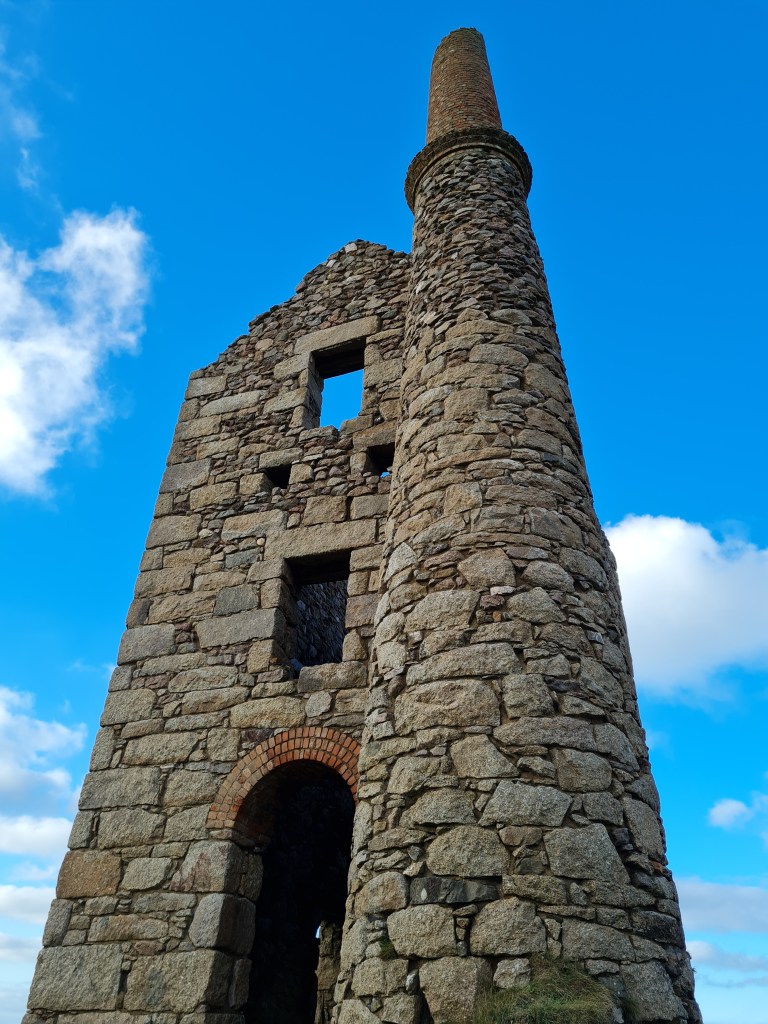
Mining
More to come


Plants and Animals
More to come
Sources:
- https://www.cornishsecrets.co.uk/guide-categories/native-species/
- https://www.penwithlandscape.com/farming/penwith-flowers/
- https://www.cornwallwildlifetrust.org.uk/wildlife-cornwall


Resources
There are a number of organisations and resources providing rich and accessible information about the history and environment of West Penwith. My favourites include (in no particular order) the Penwith Landscape Partnership, the Cornish Ancient Sites Protection Network (CASPN), the Cornwall Wildlife Trust, the Cornwall Heritage Trust, and as a repository of alternative viewpoints the Ancient Penwith website.
 Flat Two