Poldark Country

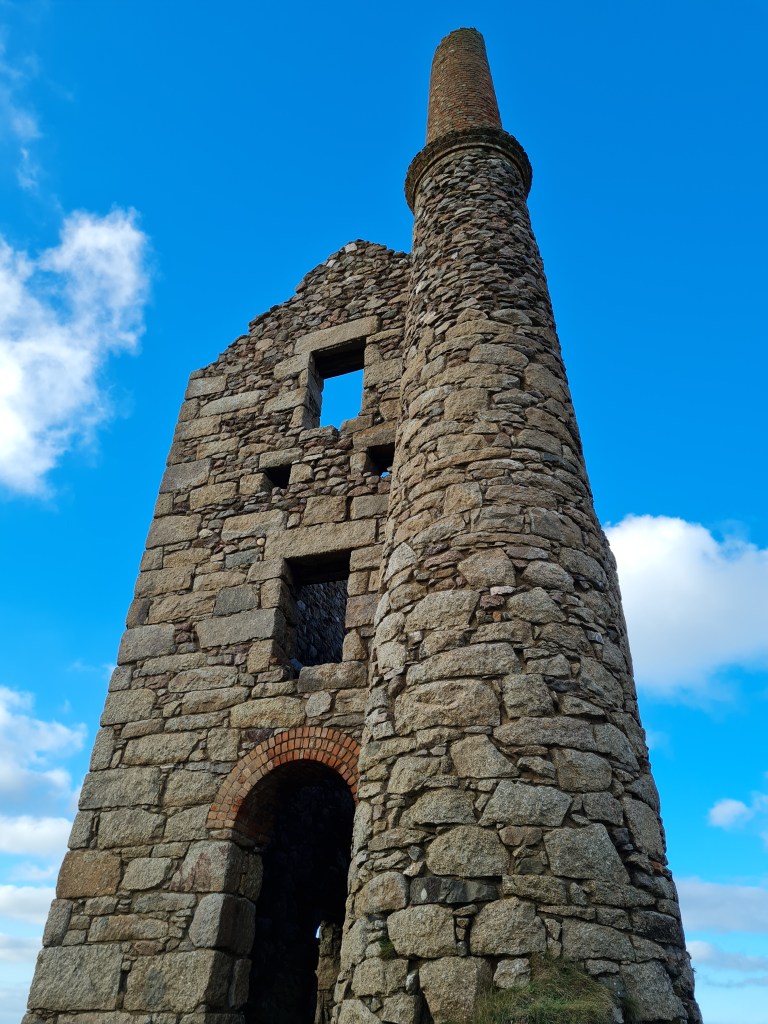
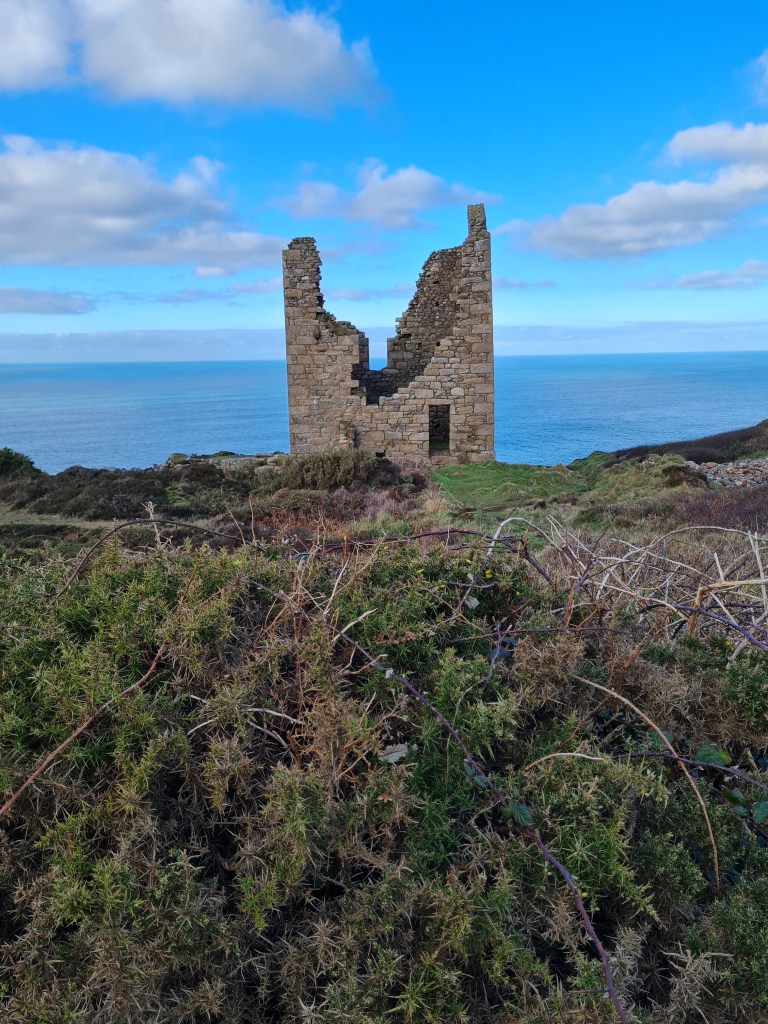
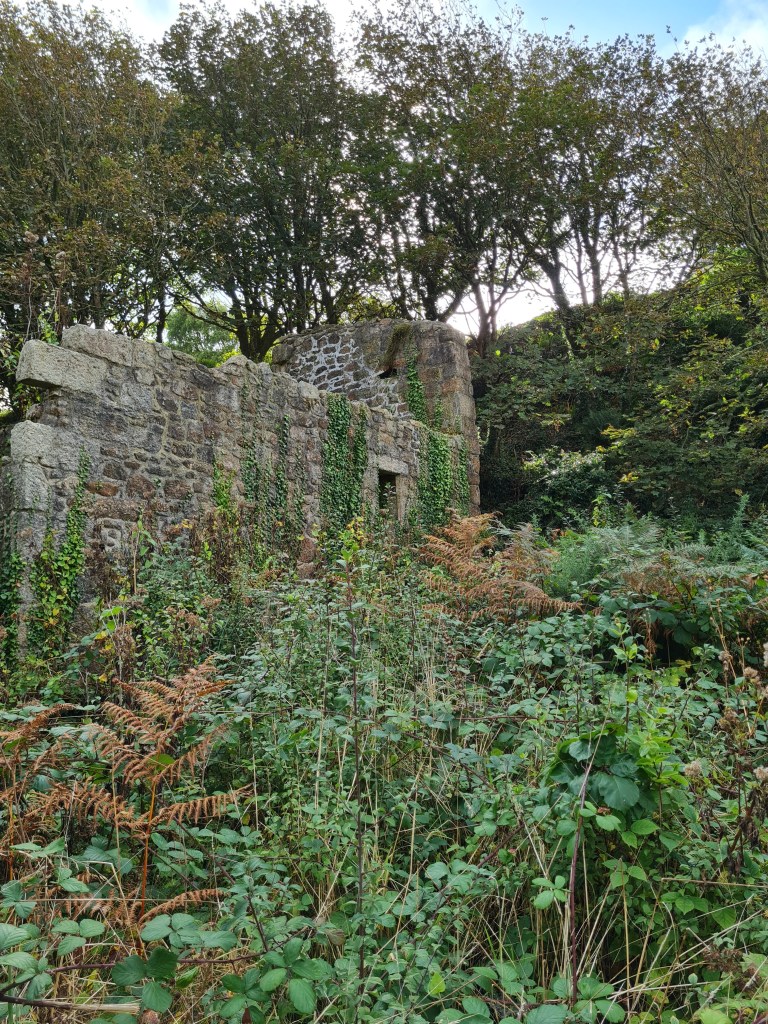
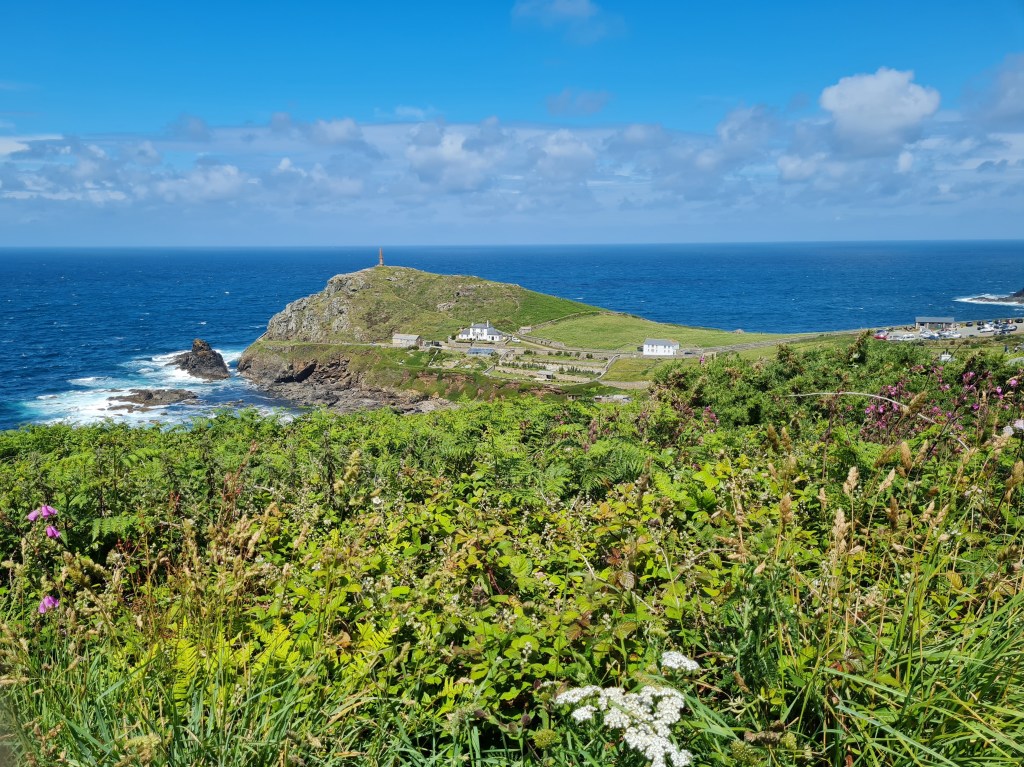
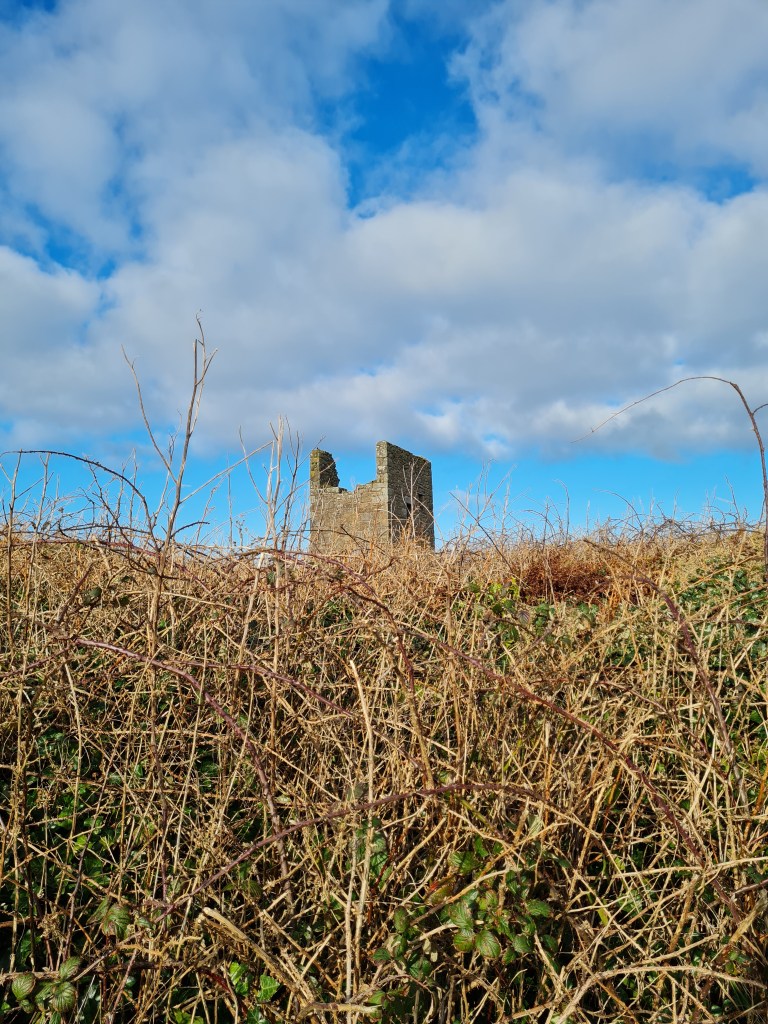
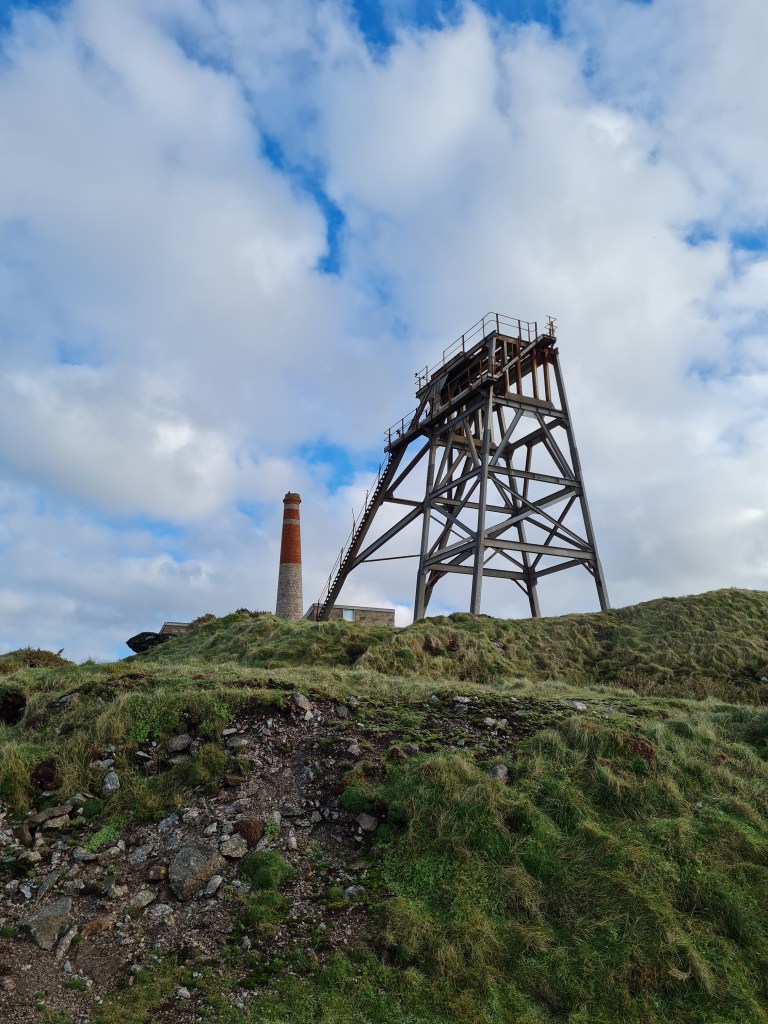
We walked north and west of St. Just this time, up through Botallack to the coast path and then south again to the Kenidjack Valley. These clifftops hold tight to the ruins of the 19th century copper and tin mining industry, with chimneys and towers rising into the sky and mine shafts striking deep into the earth and under the sea. This is the St. Just Mining District, part of the UNESCO Cornwall and West Devon Mining Landscape World Heritage Site. The roughly seven mile section between St. Just and Gurnard’s Head is called the Tin Coast.

It’s strangely haunting to walk these paths on such a beautiful day and admire the iconic Crown Mines clinging to the edge, explore (now decontaminated) arsenic works, and stand at West Wheal Owles where twenty miners lost their lives on 10th January 1893. The Tin Coast is quiet these days, home to walkers and their dogs, ravens and choughs, grass and stone. We walked in our comfortable modern clothes and boots and tried to imagine the men, women and children who spent long cold days working here, trudging home in the dusk to a small cottage and a hearth fire.
Newlyn and Mousehole

Newlyn Harbour
Shadow Selfie at the Rock Pool Cafe

My guess is that for quite a few centuries the villages of Newlyn and Mousehole (pronounced mowzel) would have looked and felt pretty similar. The 19th and 20th centuries brought change. Somehow Newlyn managed to hold on to its fishing industry and remains one of the largest fishing ports in England, whereas Mousehole lost many of its quaint old cottages to the tourism industry as holiday lets and second homes. We walked along the coast from Penzance in bright winter sunshine, stopping for lunch (crab sandwich, and homemade soup) at the lovely Rock Pool Cafe. Most of Mousehole’s shops and cafes and galleries were closed. The only buzz of activity was the various works being done to buildings – bits of scaffolding here and there with painters and builders at work. We walked around the steep narrow lanes and sat in the sun by the harbour before getting the bus back to Penzance.

To the Supermarket

Sometimes you have to go to Sainsburys, or The Range, or H&M. Maybe you need Twiglets. The supermarkets are strung out along the main road to the east of Penzance with their car parks and bus stops and click and collect stations.

Unlike most supermarkets I’ve ever been to in my life, these are accessible with a walk along the paved section of coast path edging Mounts Bay. So we took the bus to Penzance on a beautiful January day and walked along the coast to get our shopping.

Tregeseal and Carn Kenidjack

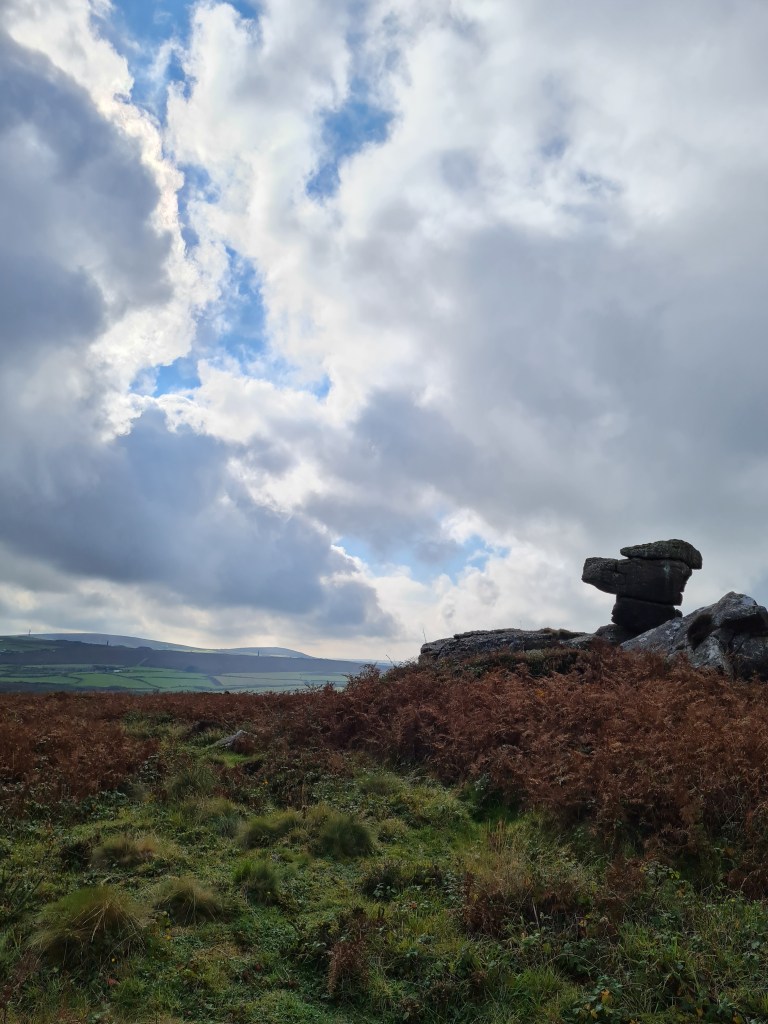
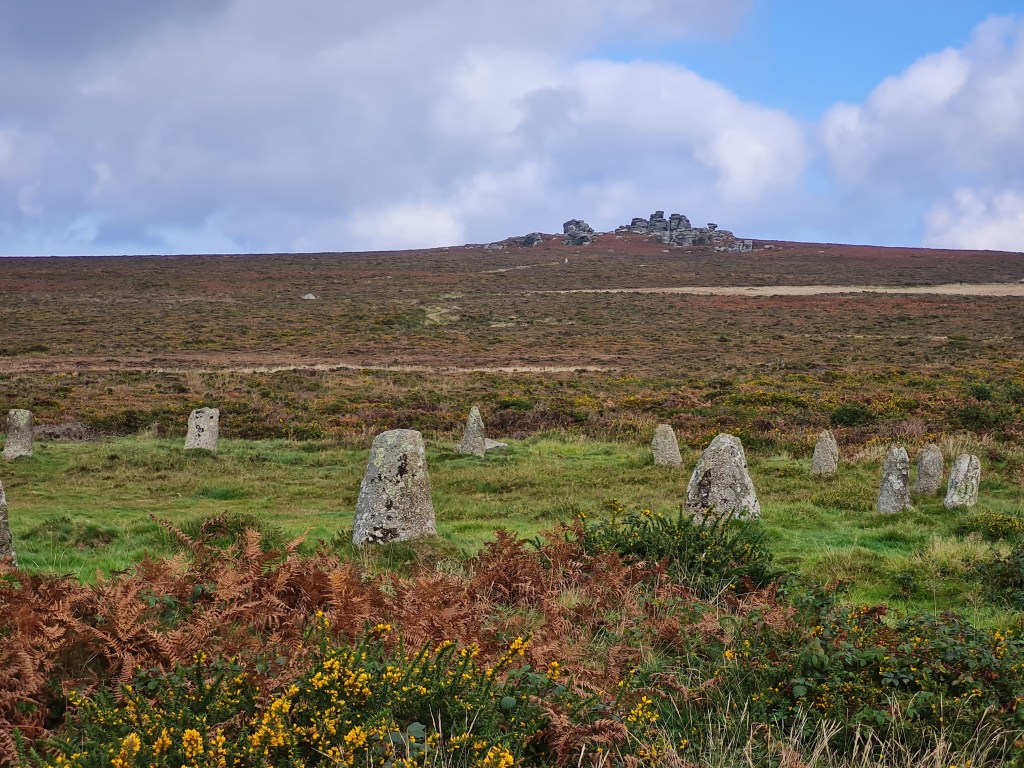
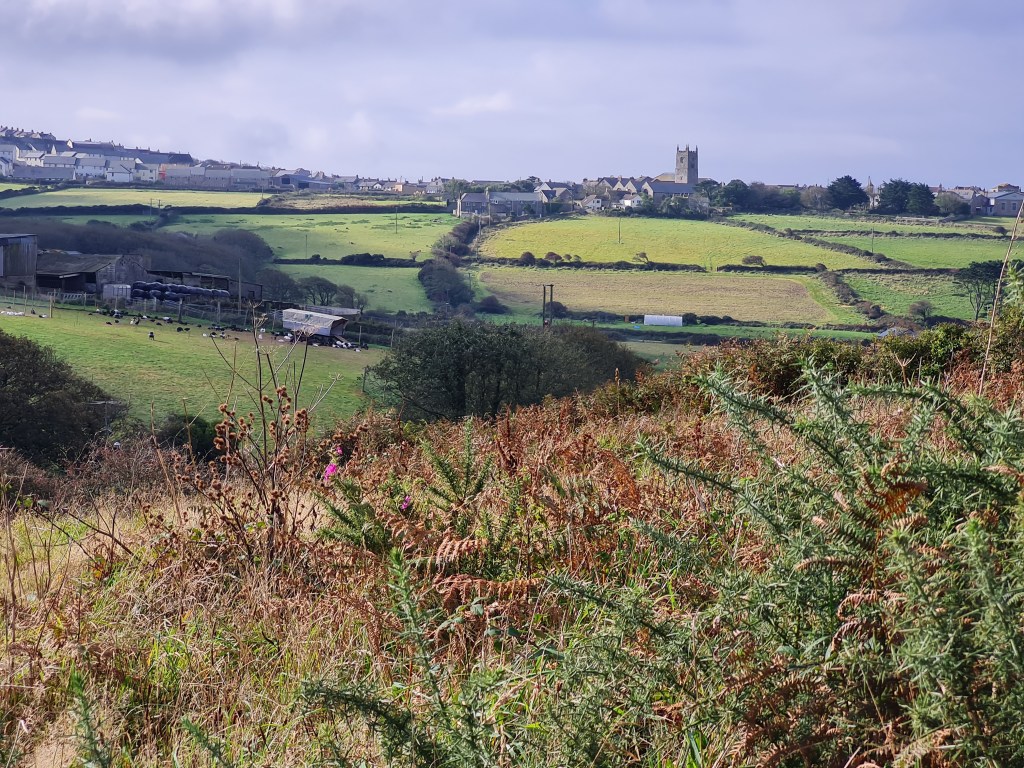
More amazing weather, and me taking wrong turns on lanes into farmyards and alongside old streams. Bovine encounters. Ancient paths from St. Just down into the valley of Tregeseal, and then finally out onto the moor where gorse and heather and bracken lie below the scudding clouds. A kestrel hovering. The ancient stone circle, and a young woman seen from a distance offering her prayers. This was my longest walk on the trip, and not just because I got turned around a few times. After reaching the glorious height of Carn Kenidjack I continued to Carn Bean and its incongruous cell tower set next to a Neolithic barrow. A fabulous day.

Tremenheere

A magical place to visit. I don’t want to give it away with too many photos, because it’s one of those places that you need to see and feel for the first time. It’s a garden, rescued and rebuilt from wilderness. It’s been filled with sculptures and art. The architecture of old trees hides tropical places – some wet and dripping, some arid. Paths climb steeply up the slopes and follow the contours of the hill, with unexpected views stretching across Mount’s Bay. I don’t know which I loved more – the plants or the art. It was the most amazing day of my October visit, and I will return again to see it in different seasons and different lights. A great way to get there is walking up the footpath from Long Rock (get off the bus at the fabulous Mexico Inn) and a great way to end the visit is with a meal at the Tremenheere Kitchen and browsing the Tremenheere Nursery. Surreal succulents!

Cot Valley

An easy and delightful short walk, even on a windy day, is down the sheltered Cot Valley to Porth Nanven beach and back. The beginning winds through fields and farms to the unexpected lush forest at the top of the valley, complete with huge Gunnera, palms, and ferns. I followed the road alongside the stream down the valley, its steep sides covered with the remains of tin dressing and old mines.

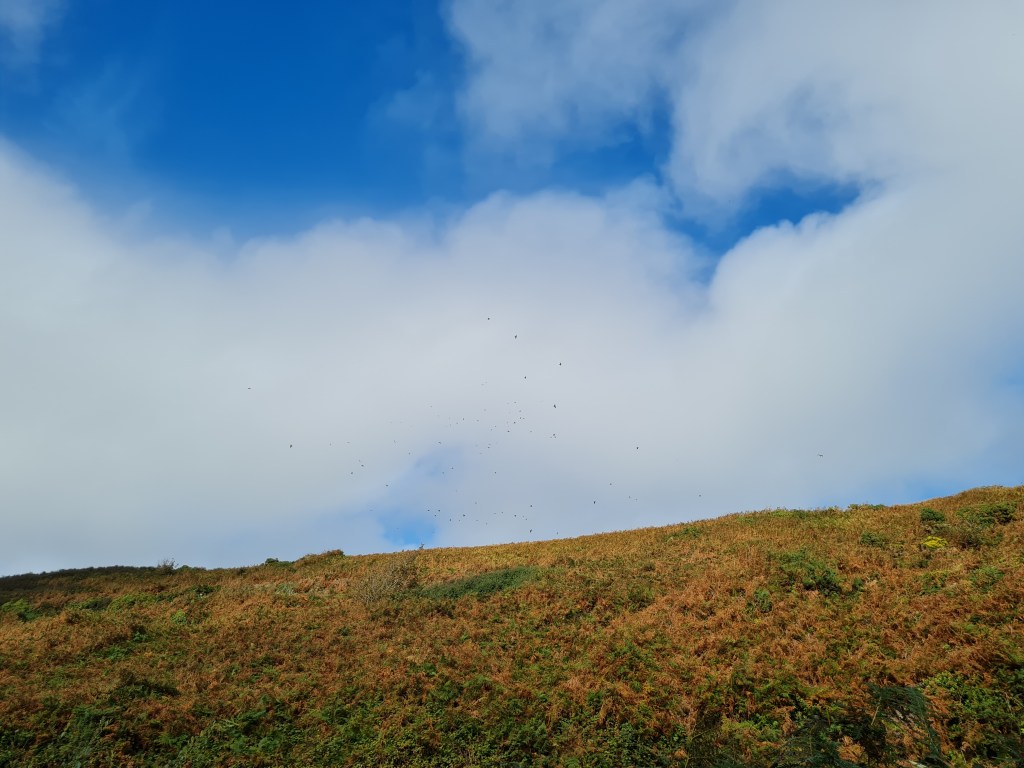
The cove is famous for its dinosaur eggs – granite smoothed by glacier tides into unusual boulders during the last ice age. The Brisons sit offshore, seabirds wheeling around them on this gorgeous day. Surfers changing out of wet suits in the small car park gave me a glimpse of sagging white cheeks as bright as the eggs. Wildflowers like Red Campion (Silene dioica) were still in bloom, and hedge brambles gave up juicy blackberries.

Flamping with Sally

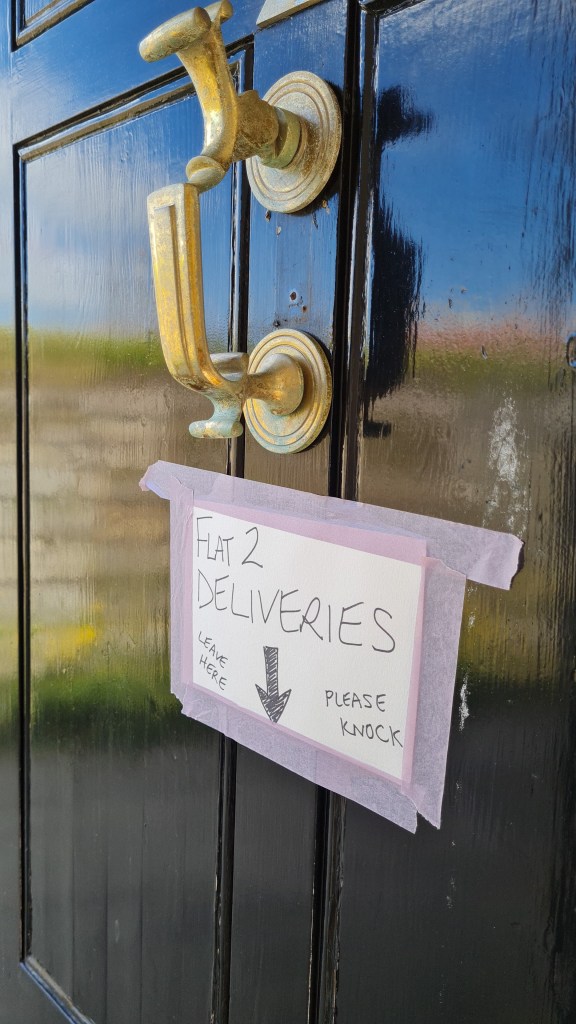
We arrived in late June. Riding almost-empty planes and trains. Struggling with a crazy old key in the dark. First time in the flat. We cried and hugged – it was so incredible to finally be there. Amber list entry rules meant lots of tonsil and nostril swabs and quarantine. We had camping mattresses that turned into chairs, and brought our plates and mugs and saucepans. Food deliveries came in boxes from incredibly kind people at Stone’s and Premier. Clemo’s delivered our stepstool, mop and bucket. More boxes brought Brighid the blue fridge, a toaster, a radio, and a hoover. We cooked. We cleaned. Sally diligently exercised. We finally figured out we could use empty boxes as coffee tables.

We learned the funny angles of the walls and the way the sun moved around the windows through the day. We watched birds on the Plein and rain on the glass. We celebrated freedom with pints at the King’s Arms, a bus ride to St. Ives, and a glorious walk down the Cot Valley and up to Cape Cornwall and Kenidjack.