All Over the West in September

Sometimes a short trip fills me up even more than a longer one. My late summer walks took in miles over moors and coast, and I took bus trips to Penzance, Sennen, St. Ives, and Morvah. Storm Agnes blew quickly through mid-week with high winds, dark clouds and rain behind. Good day for cosy projects in the flat.

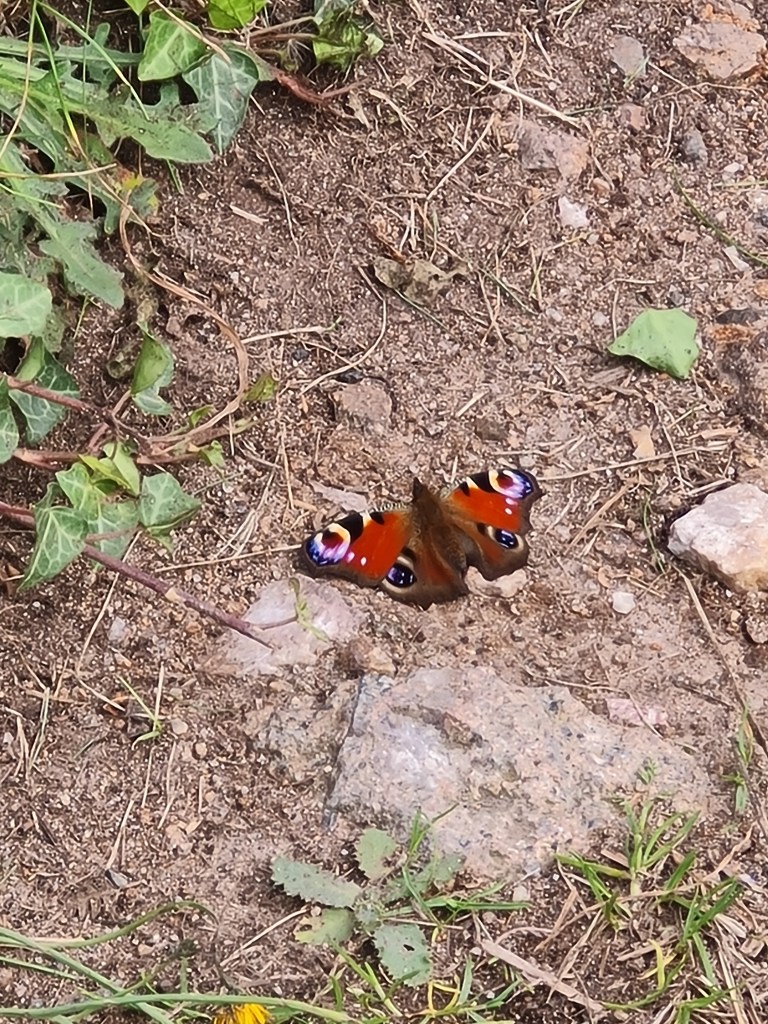
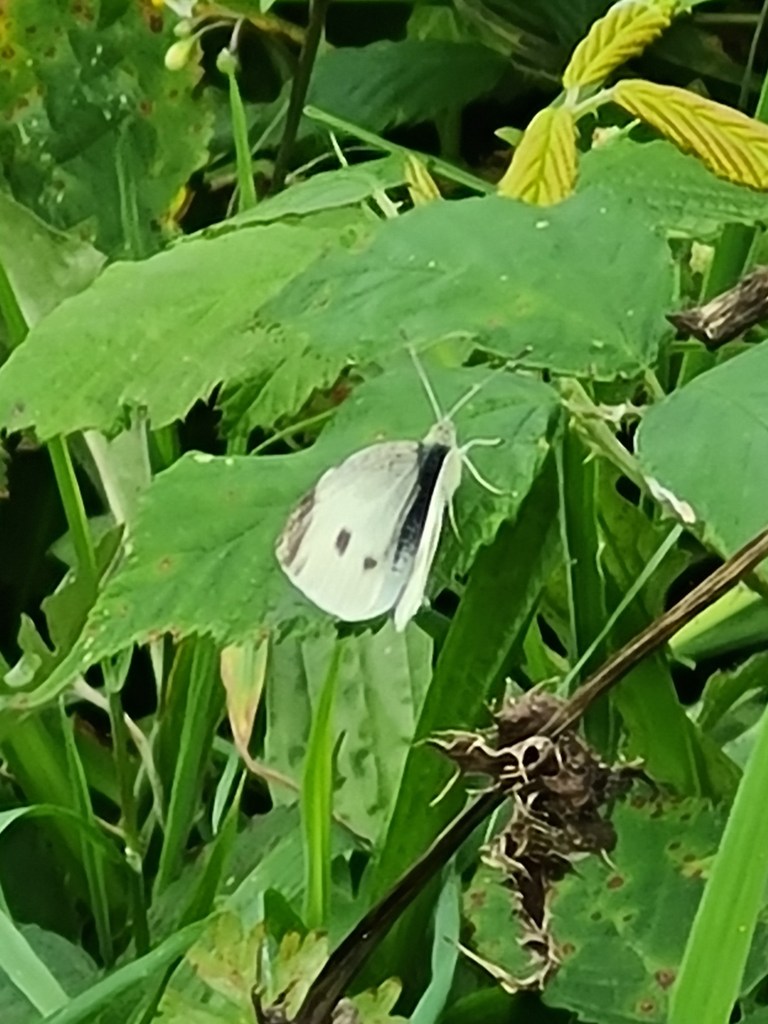
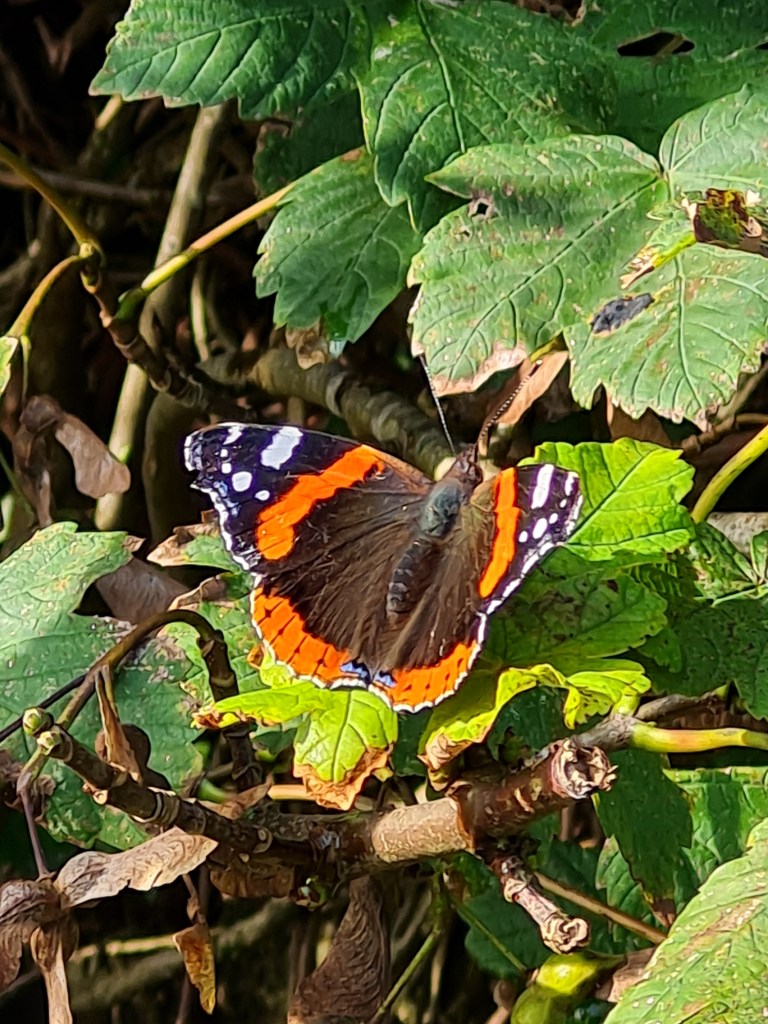
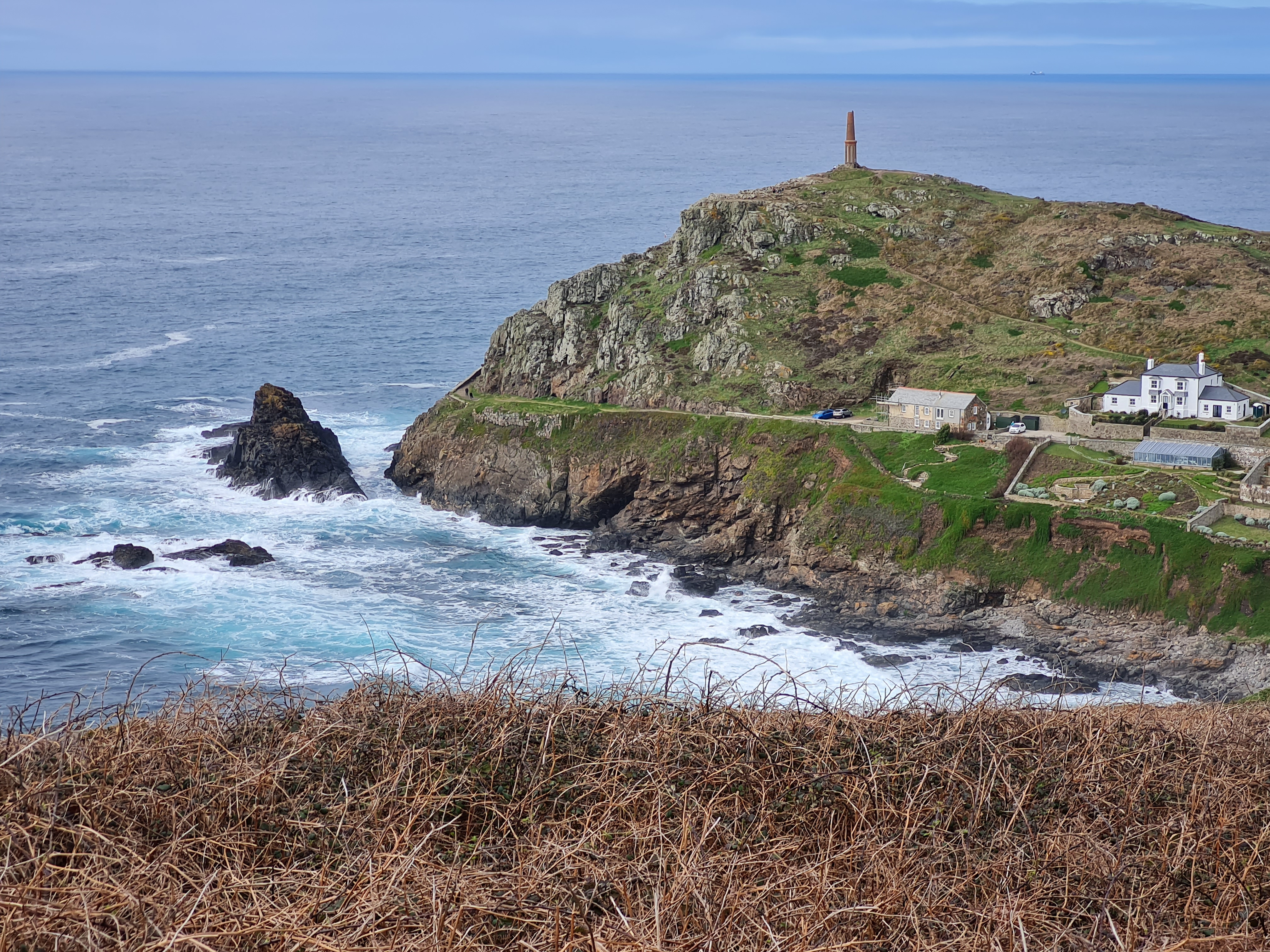
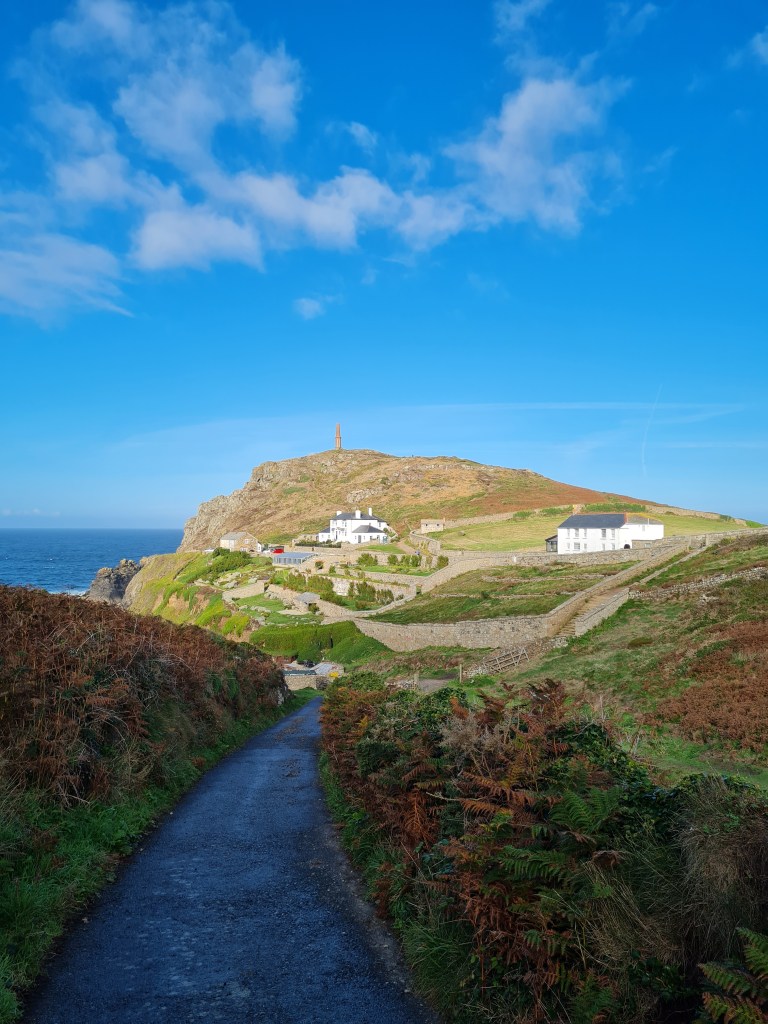
It was also a grand time for late summer butterflies, and I saw an adder on the path between Carn Gloose and Cape Cornwall. The adder is the only venomous snake in England, a protected species, shy but potentially dangerous.

Walking

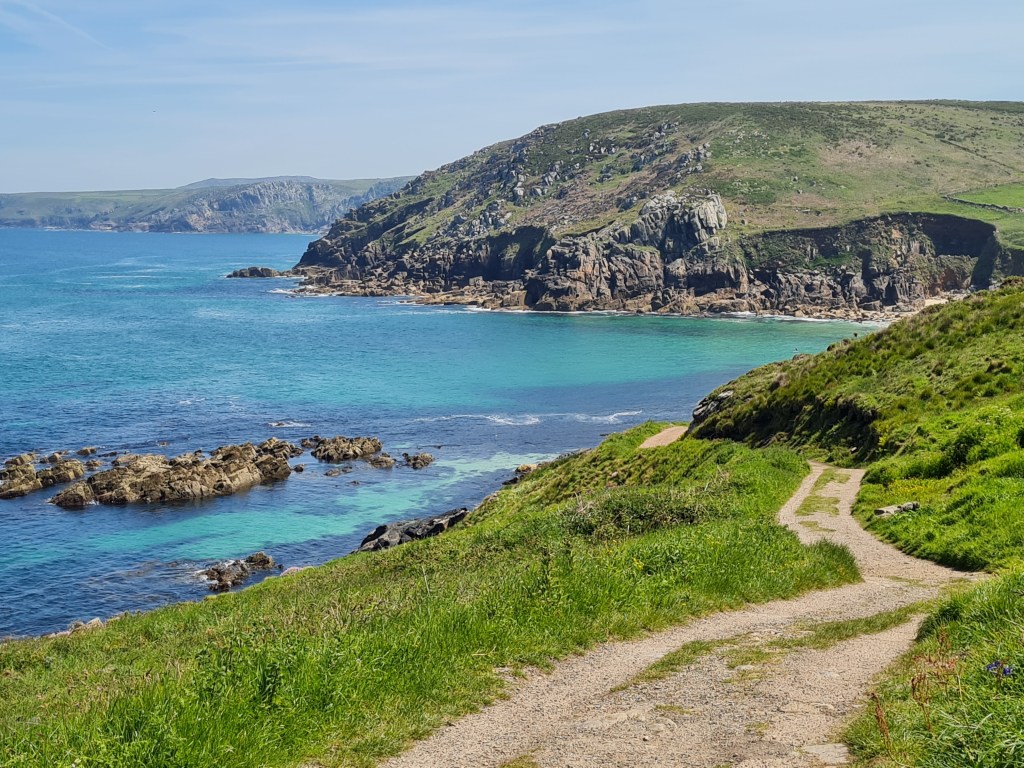
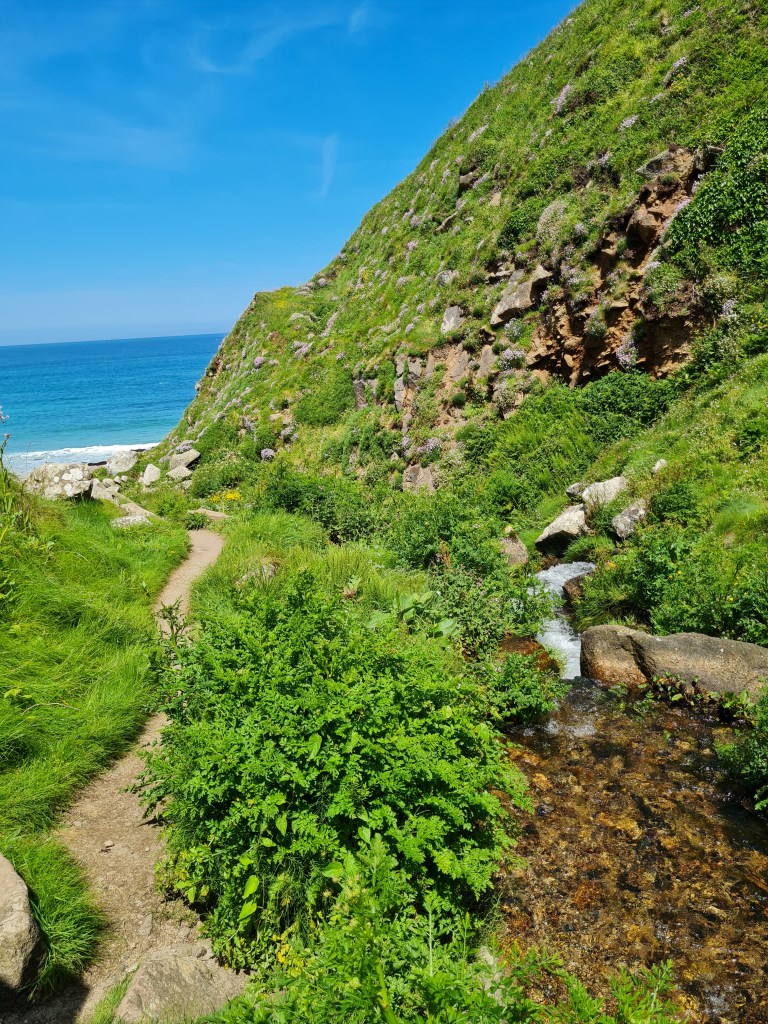
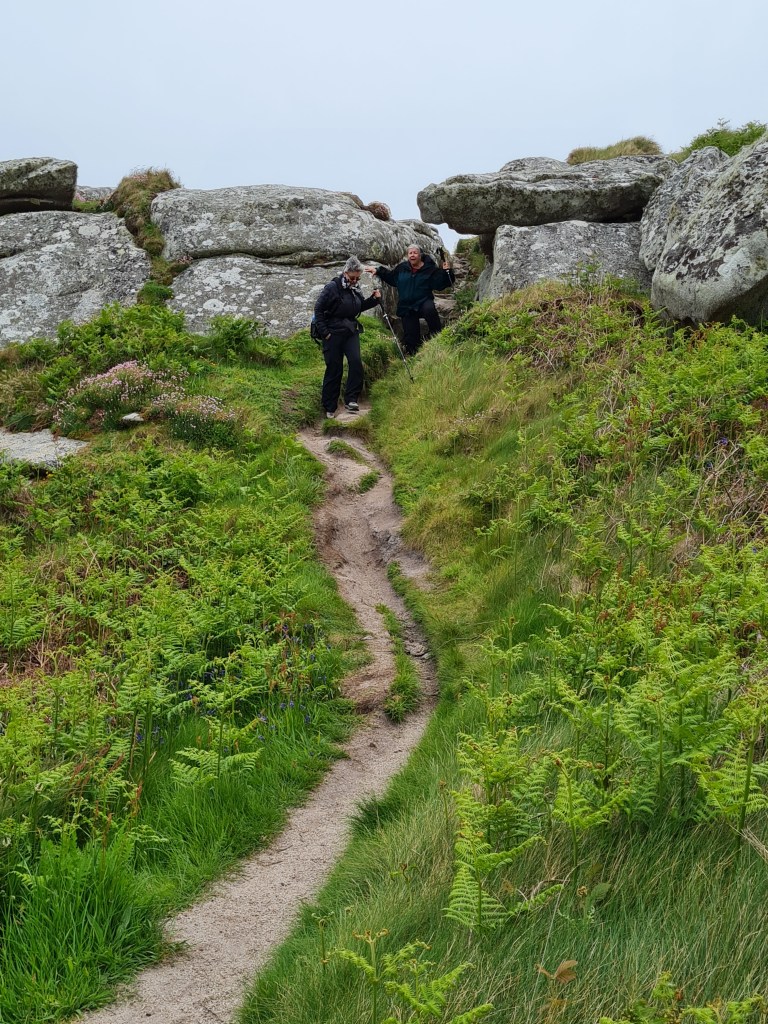
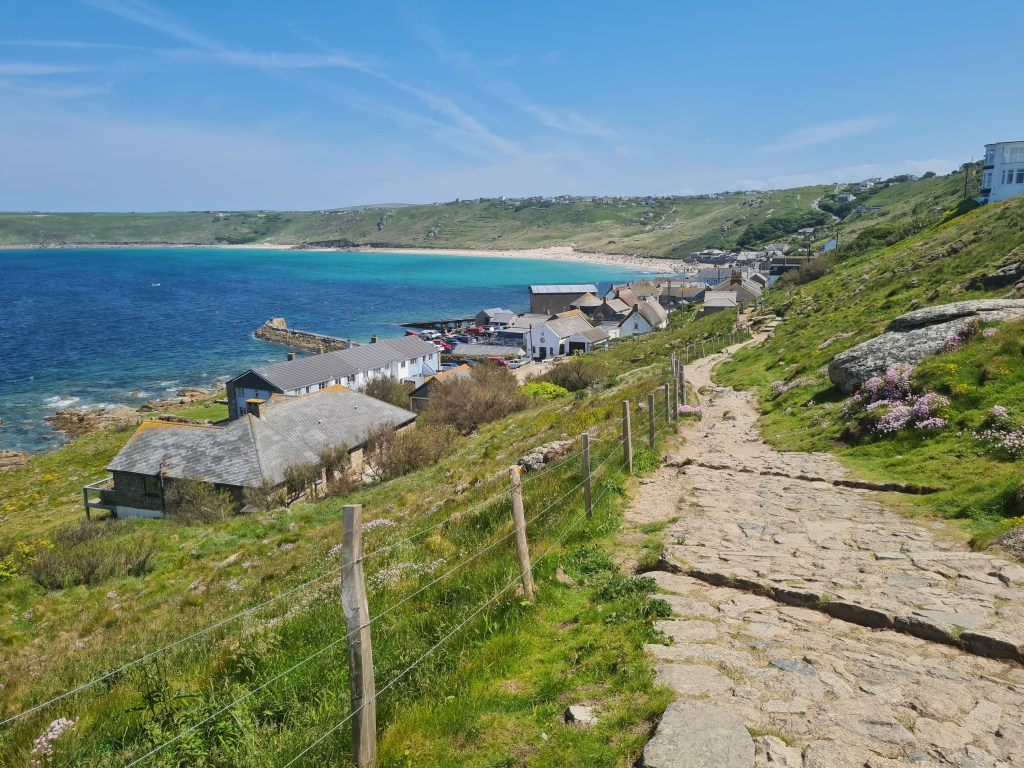
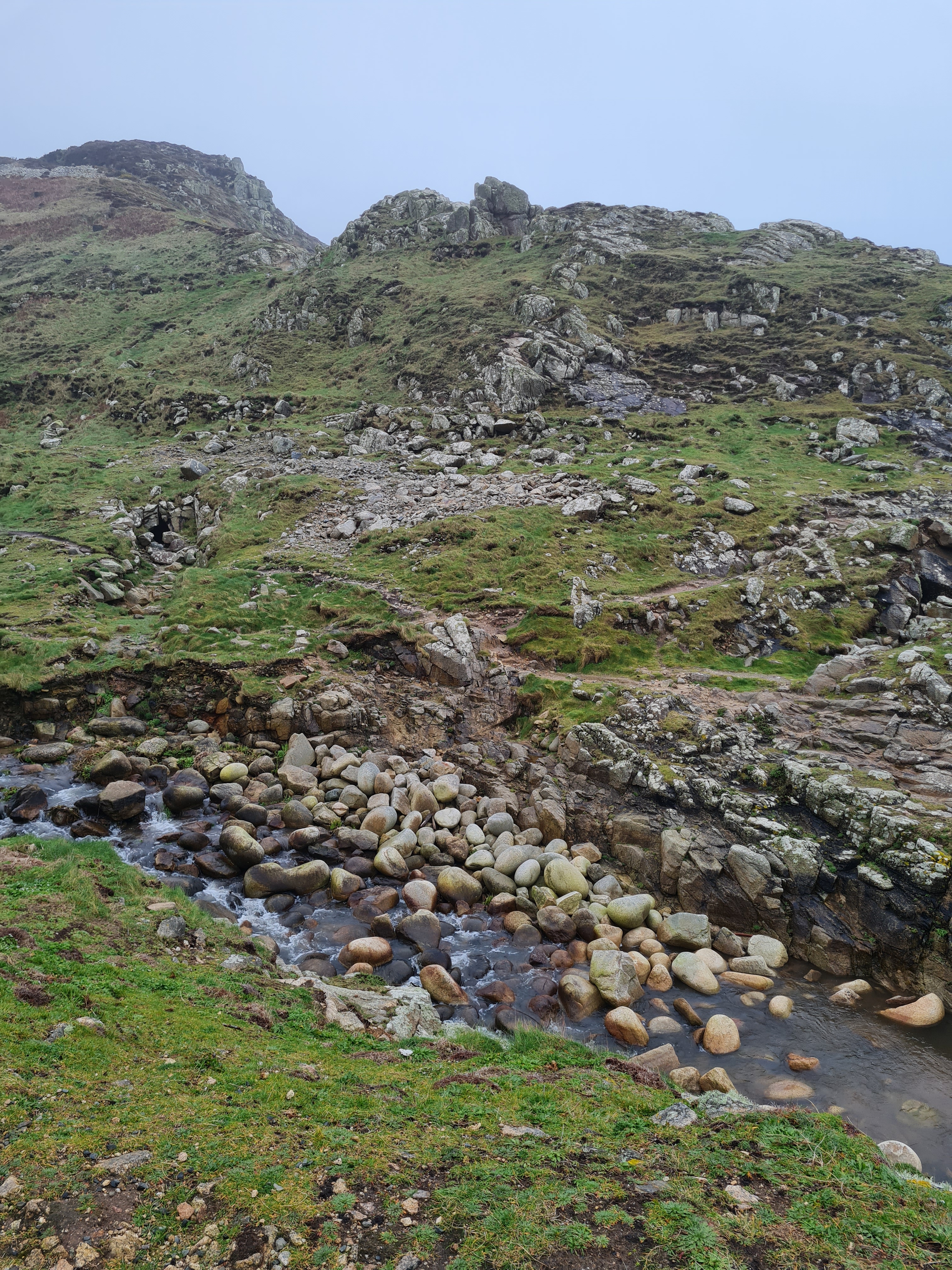
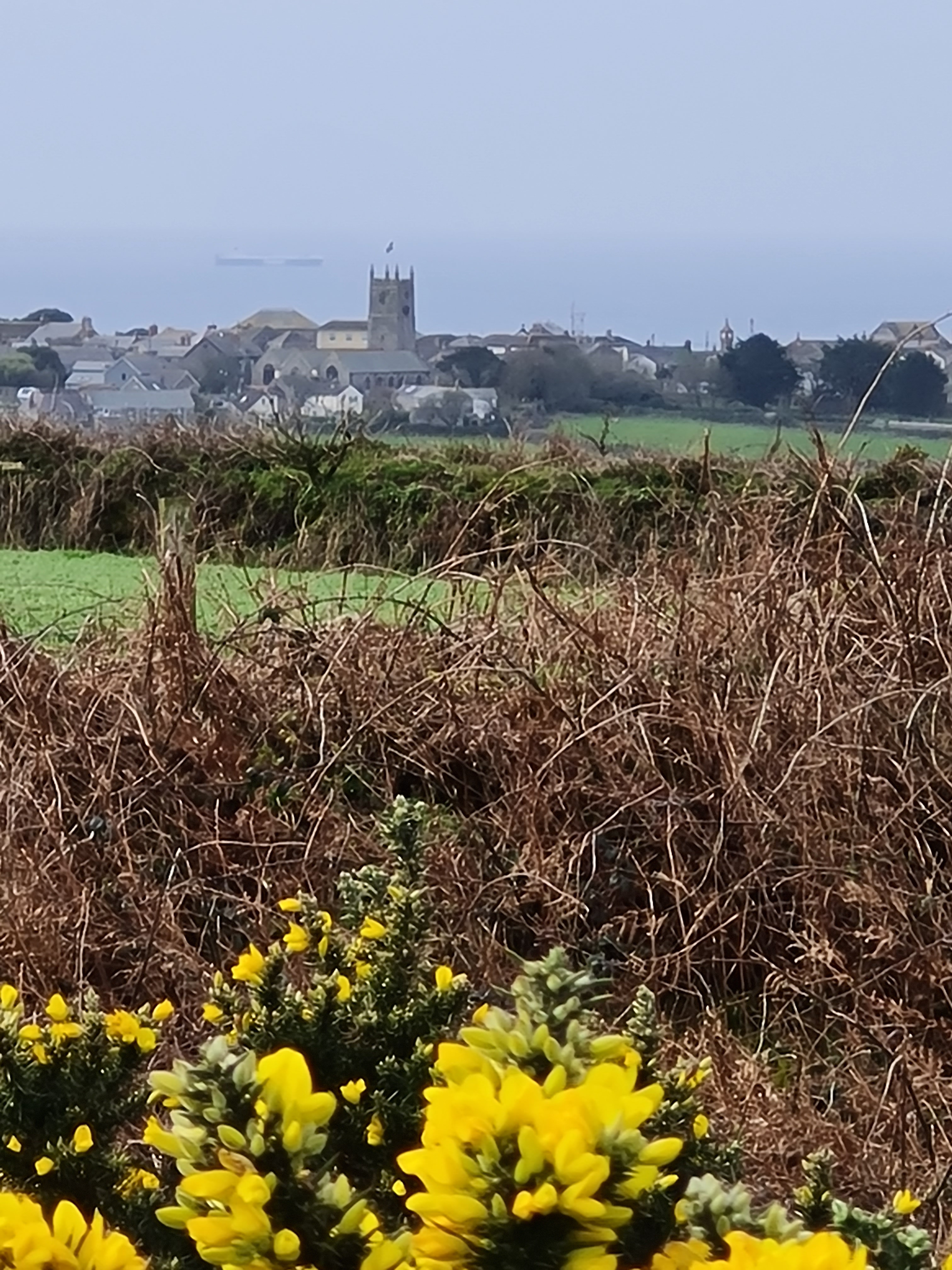
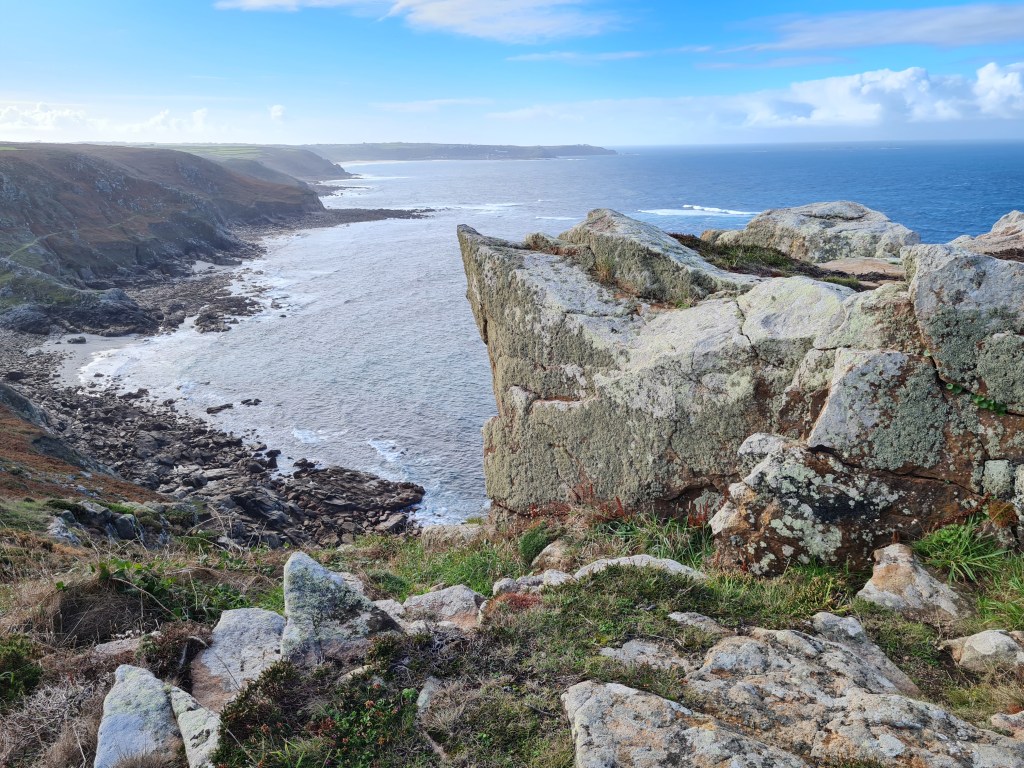
There’s a meditative quality of walking in west Penwith that always heals me and fills me again. My walks this May were sometimes on my own, sometimes with a sister or two, sometimes with the whole gang. They were filled with wildflowers and big blue skies. The ocean churned beneath me, so far away down the dizzying cliffs that it was hard to hear the waves rolling in on the rocky cove beaches. One foot chases the other, yard on yard, mile on mile, a rhythm of walking on old paths.

Fabulous Family

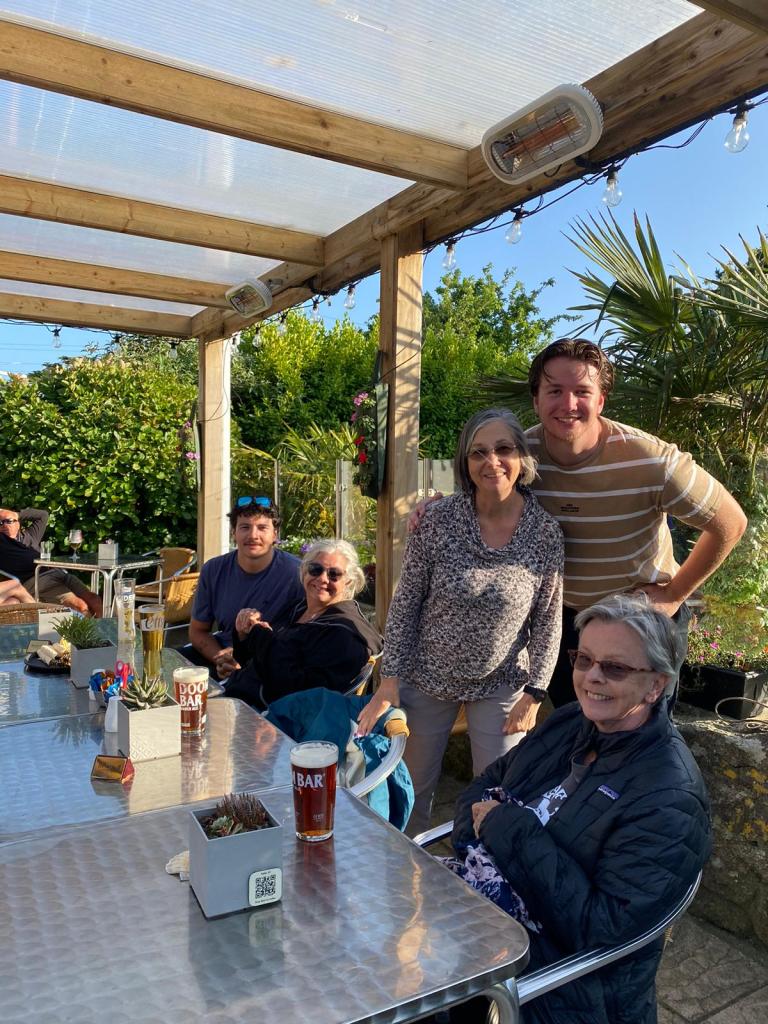
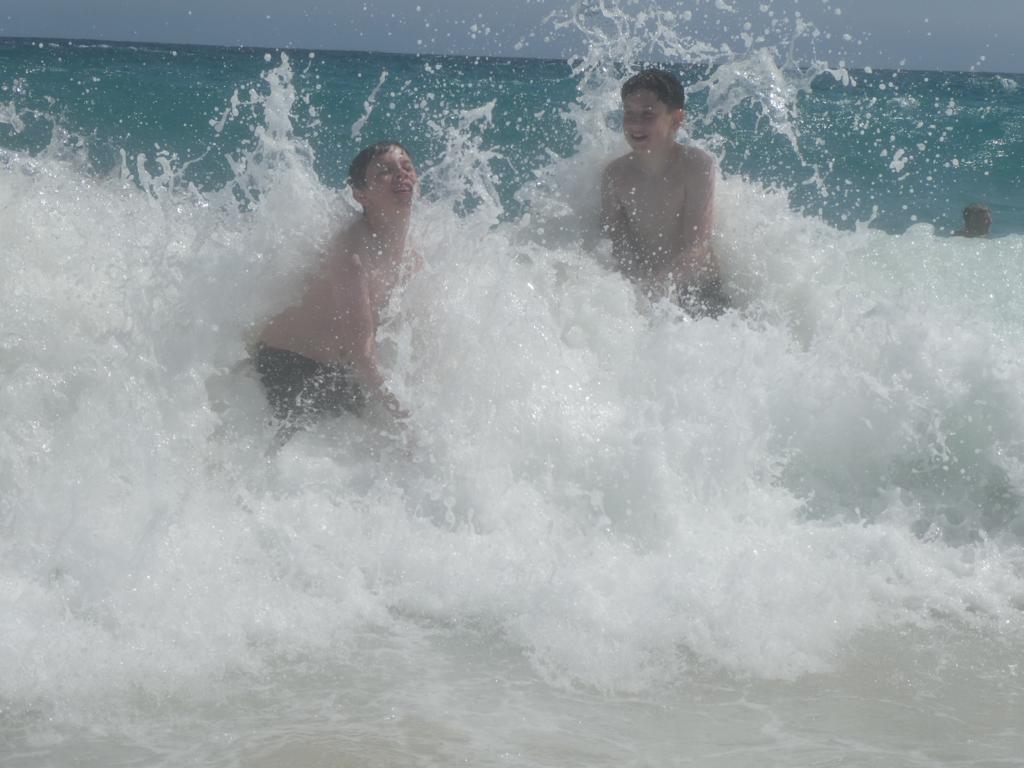
This trip stretched our Teyr-Delen capacity, with suitcases and backpacks and pillows and duvets rolling in every direction. Sisters and nephews joined me, overlapping with cousins from Tyne and Wear. Six asleep meant folk stretched out on the bench in the big bay window and tucked in odd corners on our camp mattresses. It was fab, a bright splash of sunshine and joy in our lives.

Chysauster

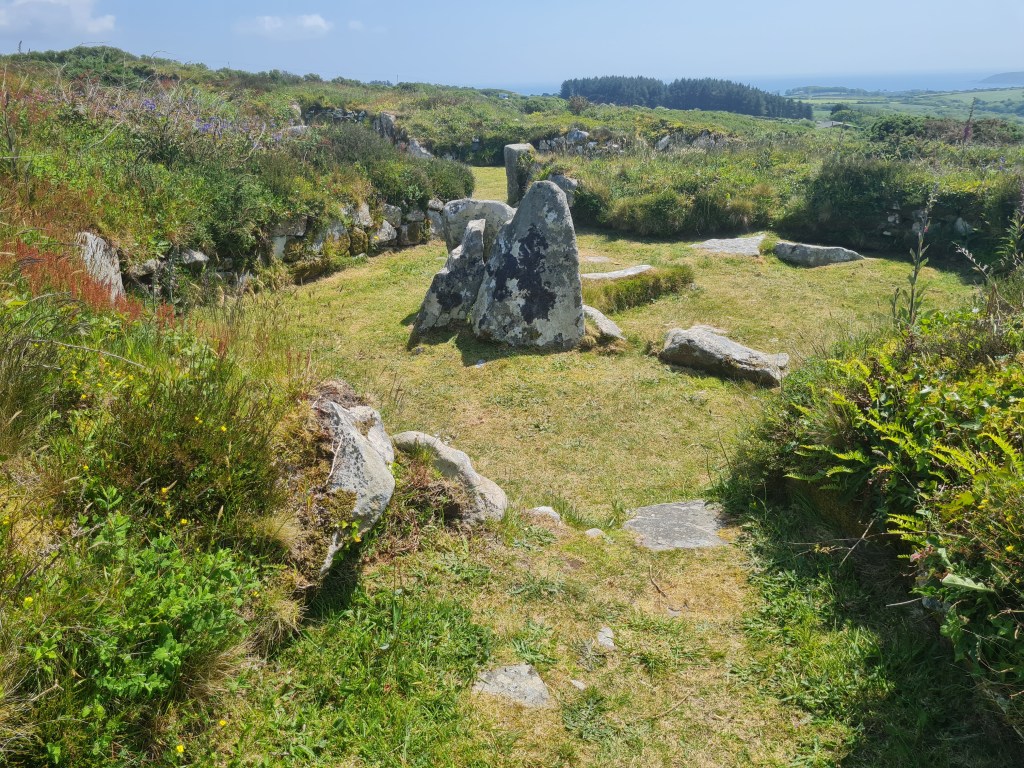
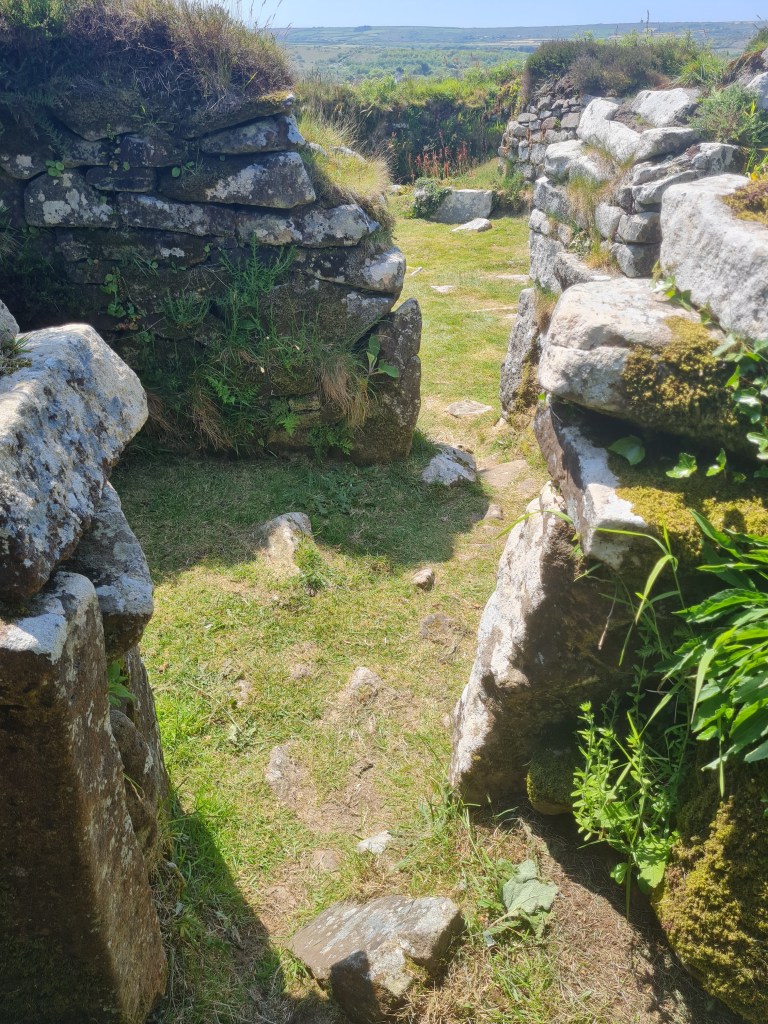
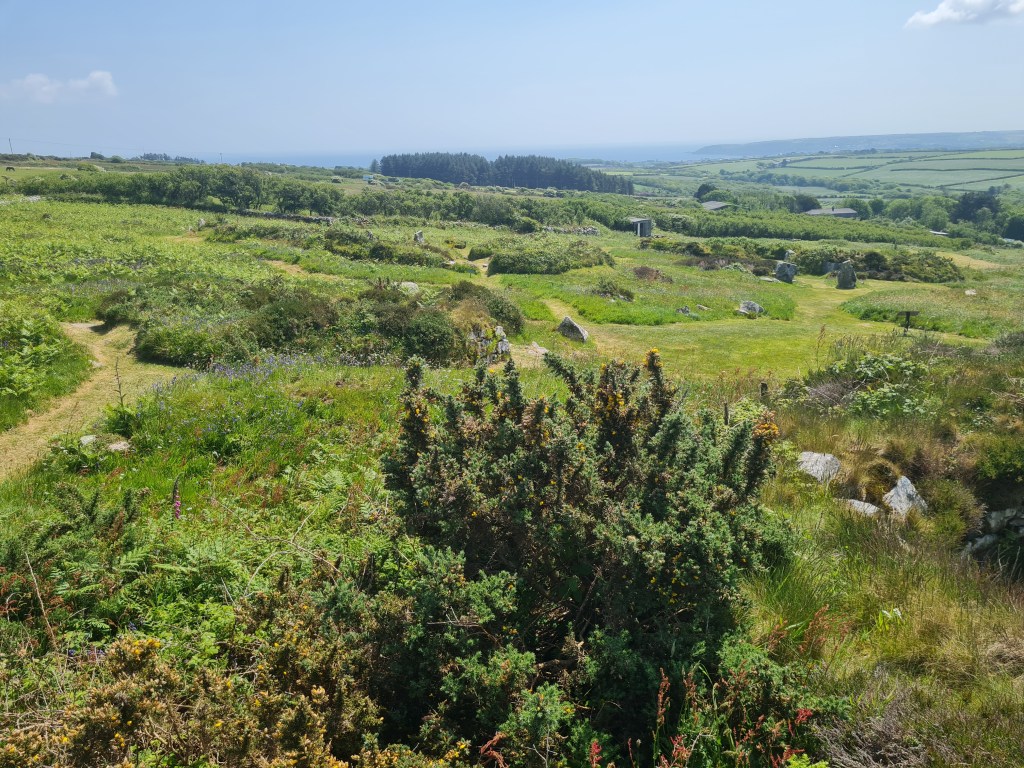
There are two magnificent and well-preserved courtyard house settlements in West Penwith: Carn Euny and Chysauster. Courtyard houses are only found in this area and the Isles of Scilly and are notable for their arrangements of multiple rooms (originally with thatched roofs) surrounding a central courtyard. The houses lined streets – at Chysauster nine houses formed two rows with a winding street between. These settlements are called Romano-British but in fact predate the Romans (who never got far into the south-west anyway) and were occupied from the late Iron Age into the 4th C. Both Carn Euny and Chysauster also feature the enigmatic “fogou,” stone-walled underground passages also restricted to this part of Britain.

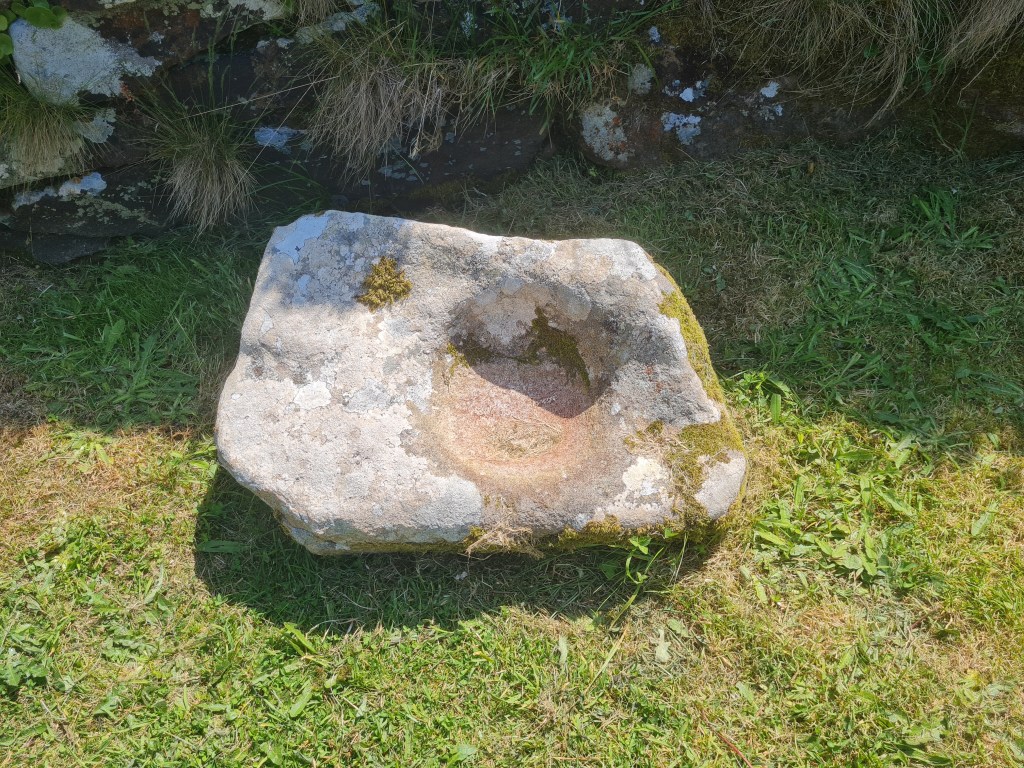
The structures of the houses included fireplaces (some with evidence of smelting metal), stone-lined drains, socketed stones used to mill grain and perhaps to hold a roof support, and floors paved with rough granite slabs. Chysauster was built on a sloping south-west facing hillside and is surrounded by an older Iron Age field system.

Caer Bran to Sancreed

Another section of the family tour of ancient sites in West Penwith. It’s an easy walk from the road by Grumbla up to the Iron Age (800 BC – 410 AD) hill fort of Caer Bran. It’s not as easy making out the described two concentric lines of ramparts and their ditches and the interior hut circles. Aside from the vegetation, a footpath track now cuts straight across the hill fort and over the centuries some of the stones from the ramparts were knocked about or taken. But there’s enough visible to get some sense for its size (430 feet diameter) and the grand 360 views. Caer Bran (Fort Crow) overlooked the settlements of Carn Euny and Goldherring as well as hut circles on the nearby slopes.

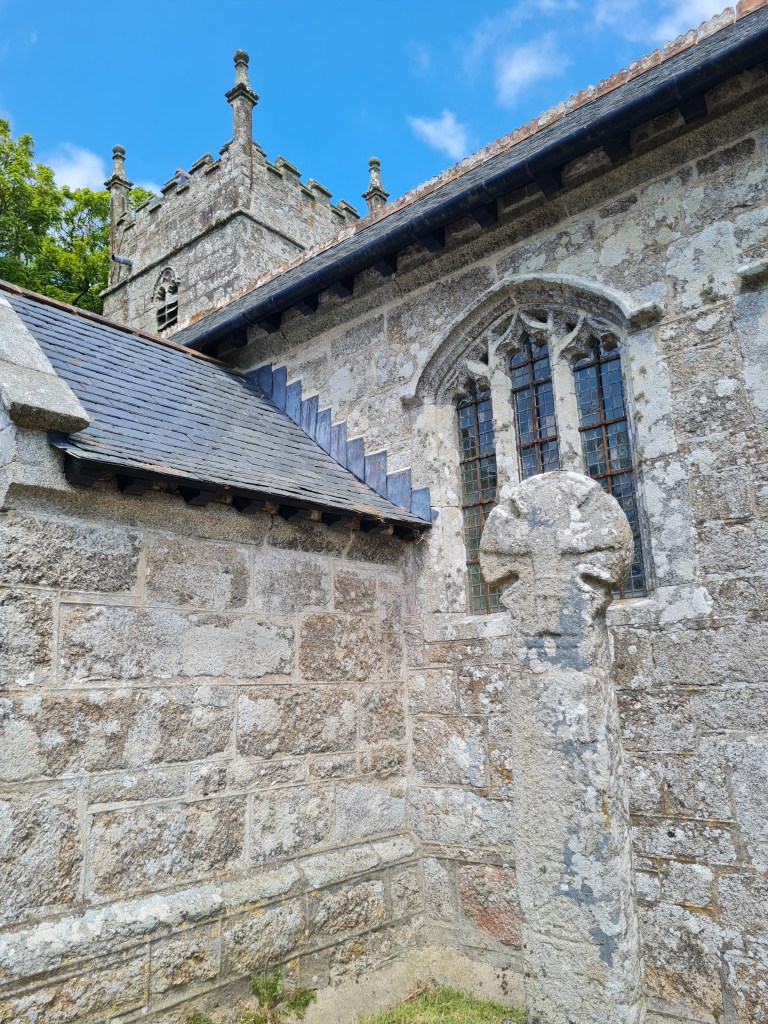
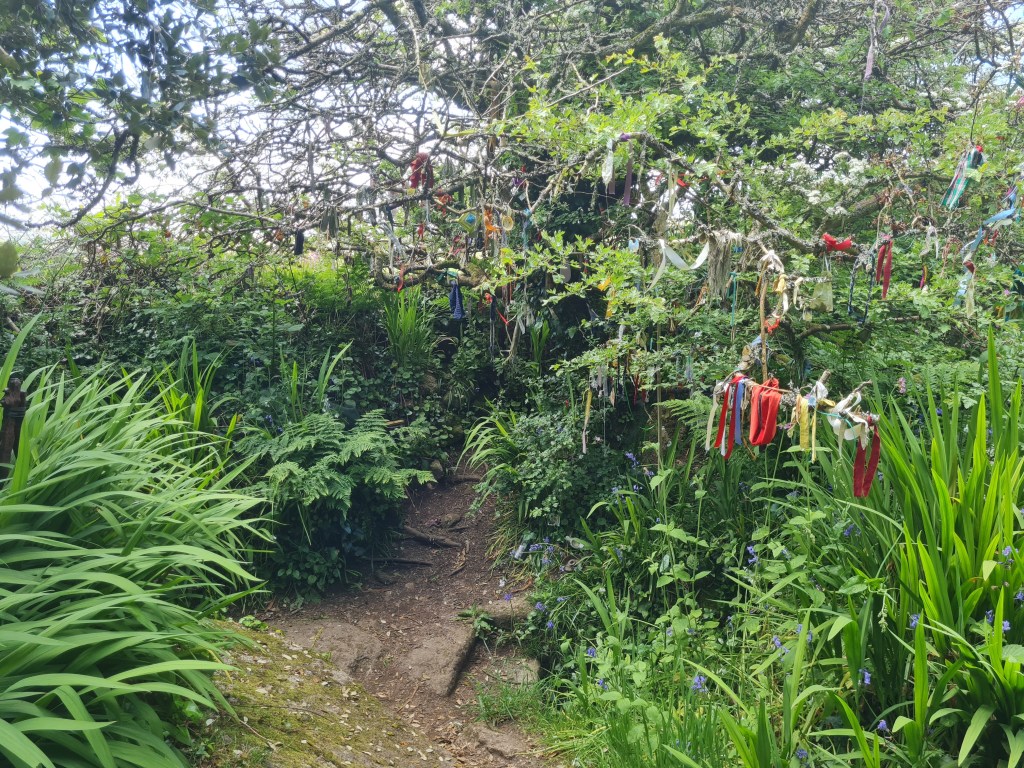
From Caer Bran we walked down through fields and woods to the village of Sancreed, where some fine ancient Celtic Crosses (9th C) sit in the churchyard of the St. Creden’s (its current structure dating from 15th C). Sancreed also has a holy well dating from pre-Christian times and tiny ruined Chapel of St. Euny. The well continues to be visited by people leaving clouties (traditionally bits of rags torn from clothing near the injury or disease) to seek help – this well is reputed to have the virtue of healing most children’s diseases. (information sources: CASPN website, Craig Weathershill’s Belerion)

Boscawen-ûn Stone Circle

One of Cornwall’s finest stone circles, the ‘Nine Maidens’ site dates from late Neolithic-early Bronze Age (2500-1500 BC). Nineteen upright stones form an ellipse, with a leaning central stone about 8 feet high. All of the stones are granite except one pure quartz stone – quartz is believed to have had healing significance for the megalithic builders, associated with the moon. The central stone faces the midsummer solstice sunrise and that rising sun illuminates a base carving of two axes, ritual objects of that time. There are also alignments with the sunset of Samhain, and evidence that the circle was used ritualistically into the Dark Ages as one of three principal gorsedds (meeting places of the Bards) of the Island of Britain. On the day we visited there were offerings laid across many of the stones. Boscawen-ûn comes from the Cornish bos (farmstead) and scawan (elder or elderberry tree) with ûn (adjacent pasture). (information sources: CASPN website and Craig Weatherhill’s Belerion)

Isles of Scilly

The archipelago of the roughly 150 isles (and islets) of Scilly lies about 25 miles south-west of Cornwall. When the oceans were lower they were a single land mass called Ennor, flooded as recently as c. 400 AD and perhaps part of the source of the myth of the drowned lands of Lyonnesse. Five of the larger islands are inhabited, but there are signs of human habitation across the archipelago beginning around 2000 BC.

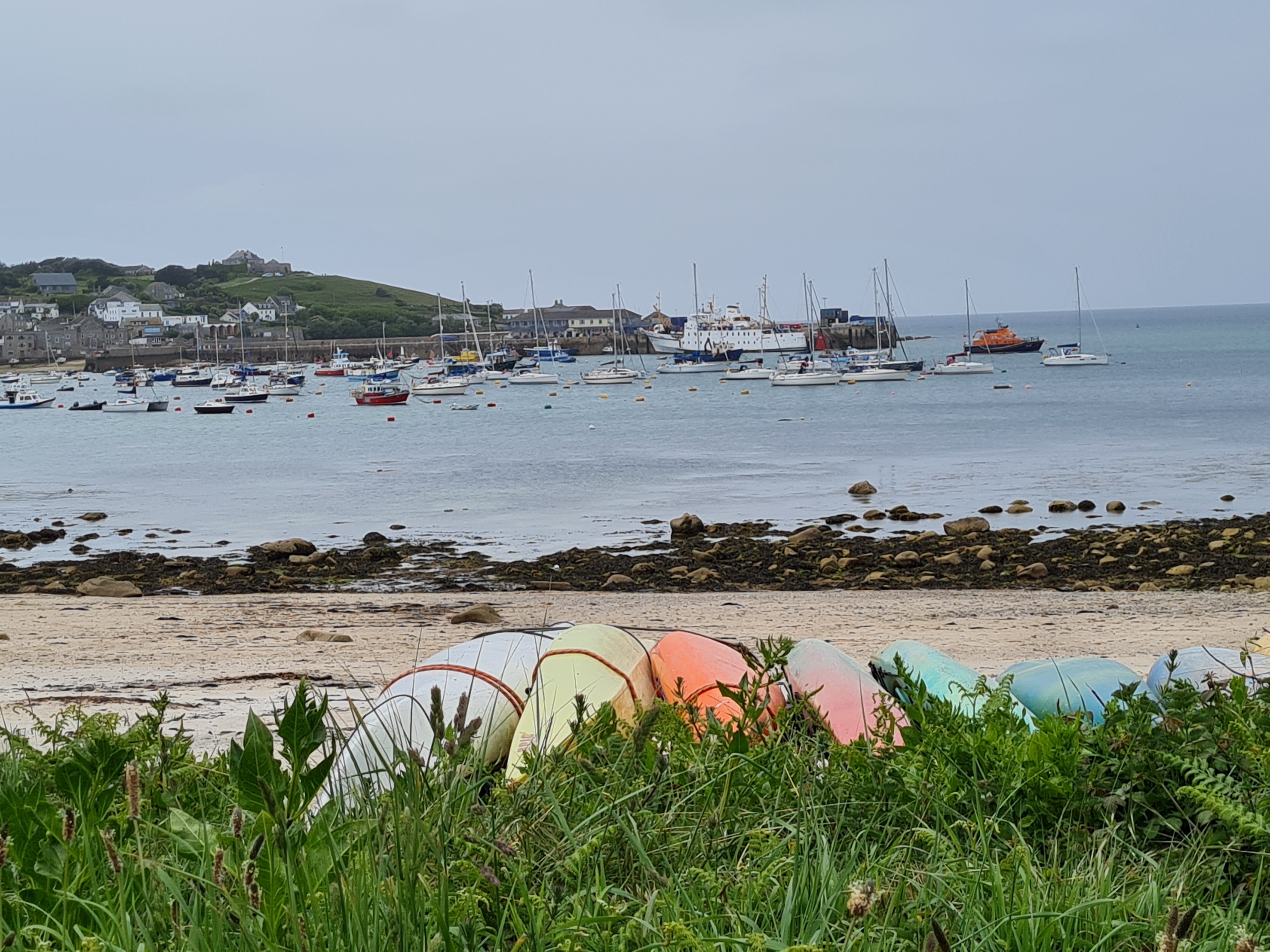
Today humans can reach the Isles of Scilly by boat, plane, and helicopter. We took a family day trip on the Scillonian III on a calm day to St. Mary’s, just under three hours each way. It doesn’t leave time to do much on the isle, but we did some walking after we warmed up from the deck views with cups of tea in town.

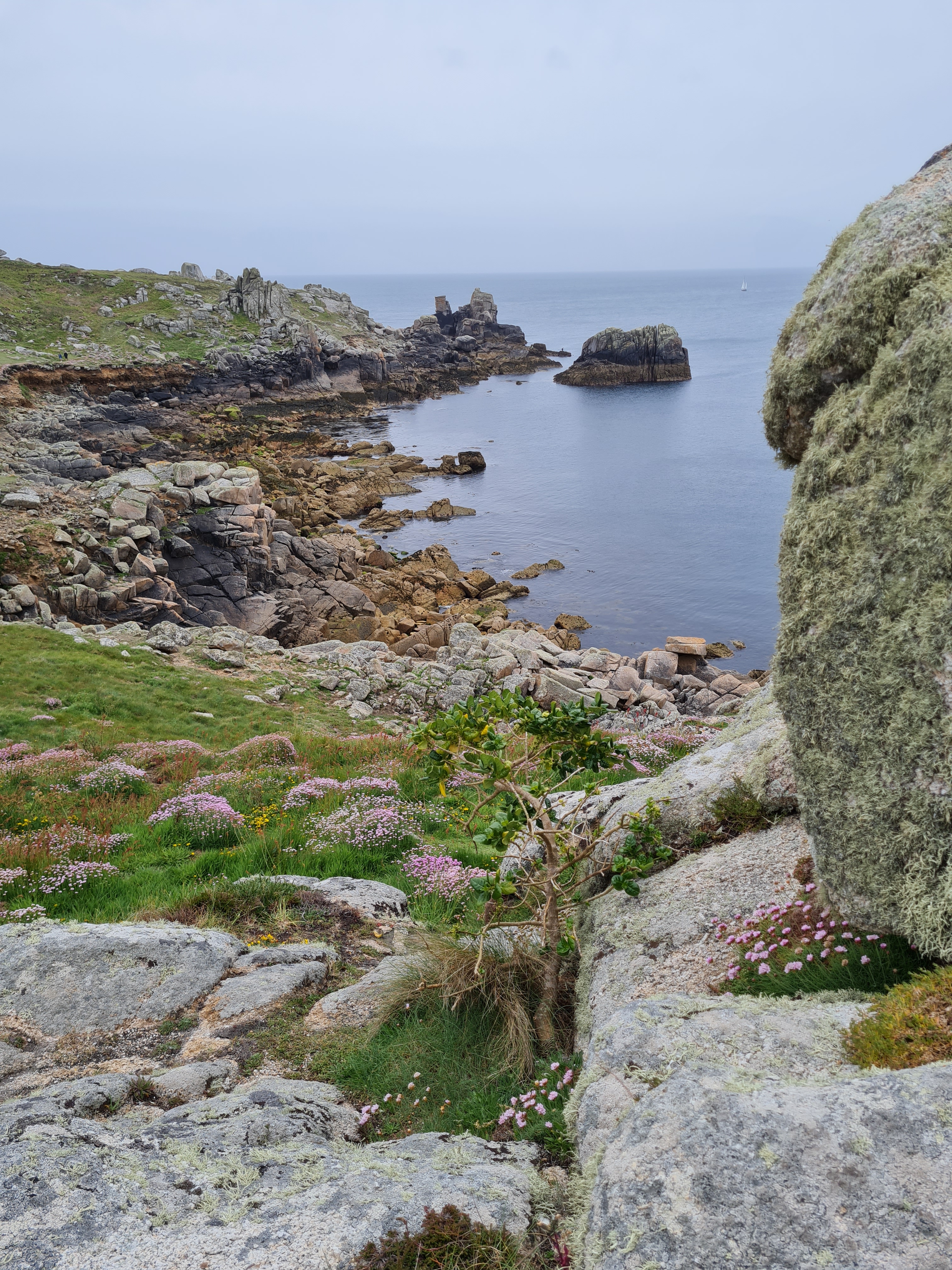
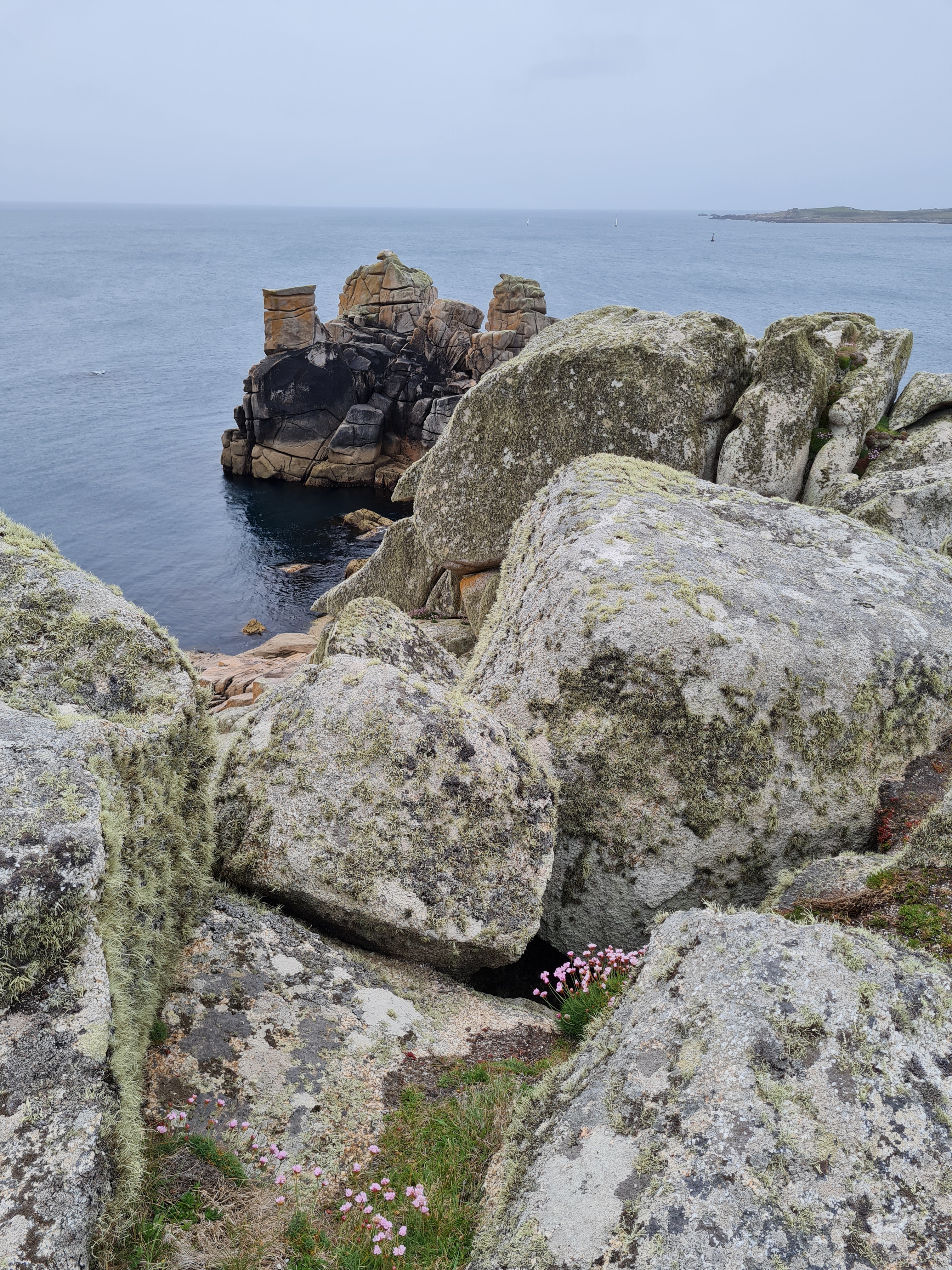
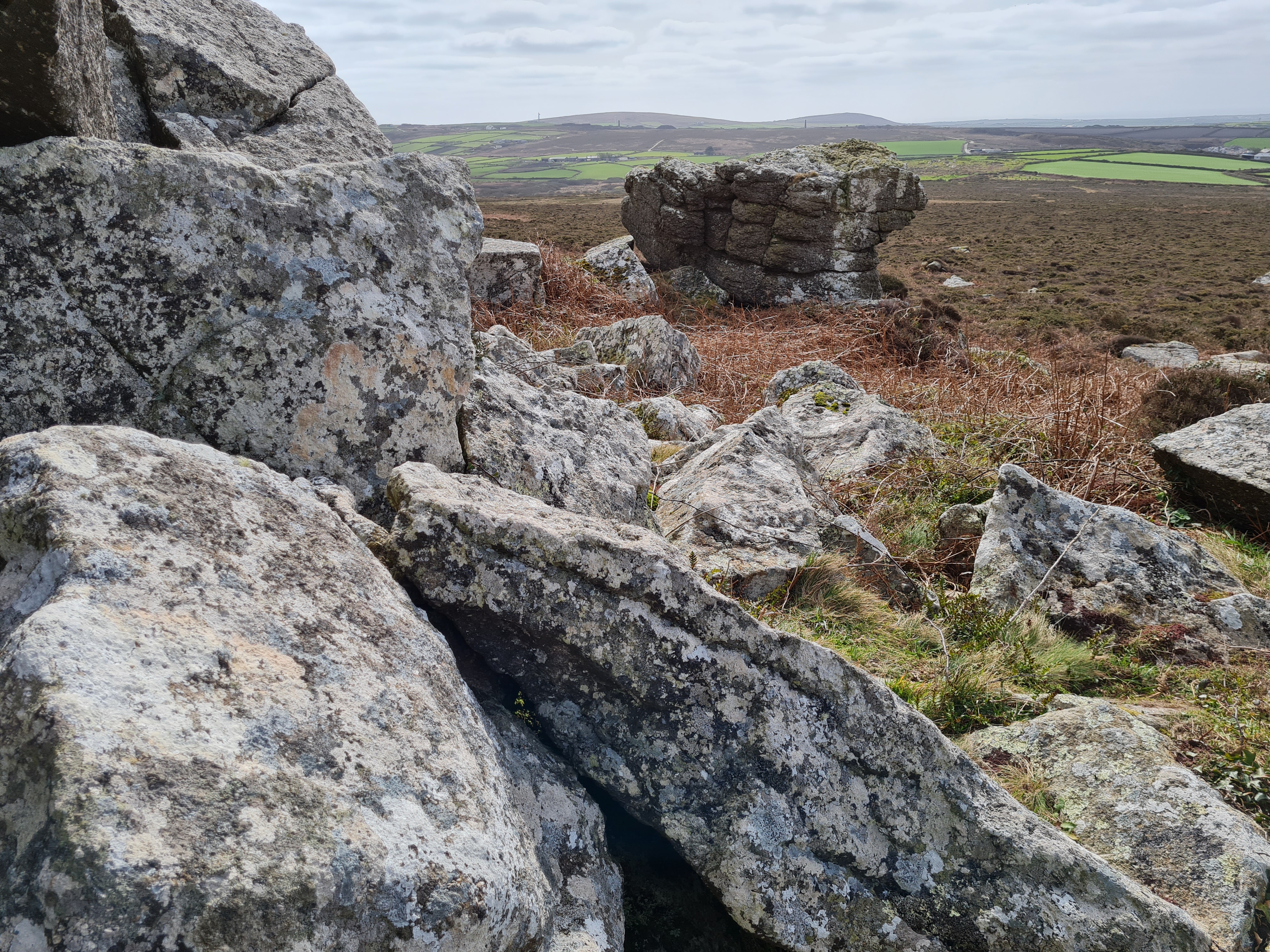
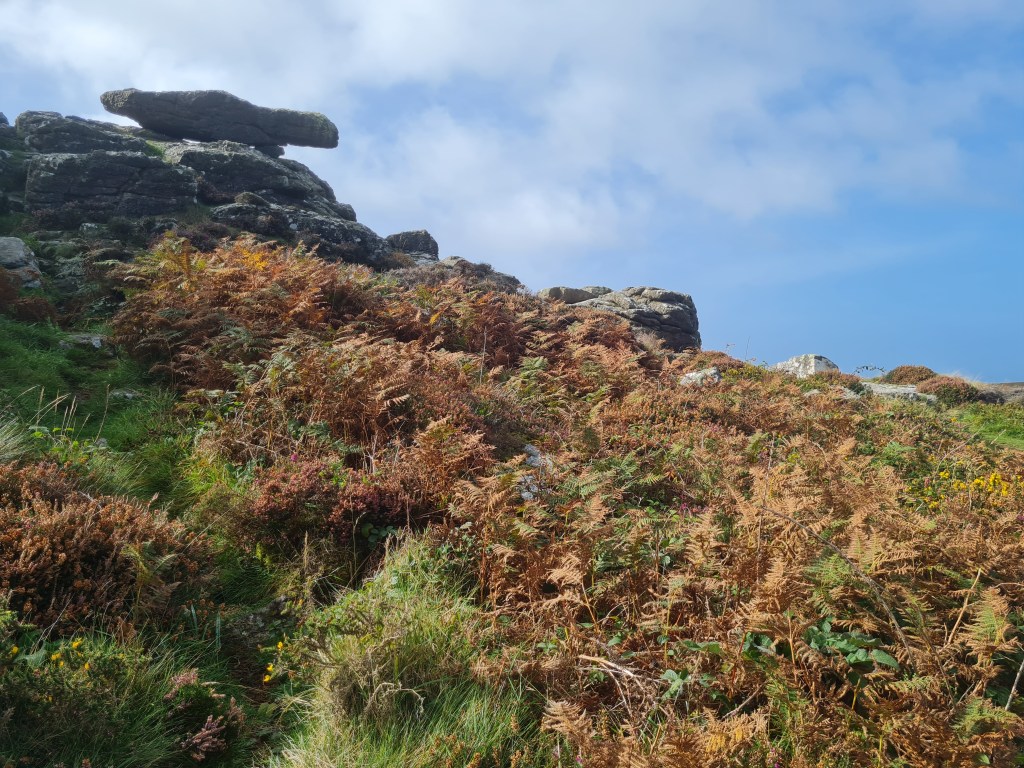
The Isles of Scilly are 290 million year old granite outcroppings and I loved the juxtaposition of weathered rock against the sands and grasses of St. Mary’s.

I’d have to go back and stay longer if I wanted to visit some of the prehistoric ruins – we managed a pleasant walk along cliffs and then through a wooded nature reserve before enjoying a picnic lunch with lots of dropping of cheese in the sand before heading home in time for fish and chips on the PZ Prom.
March

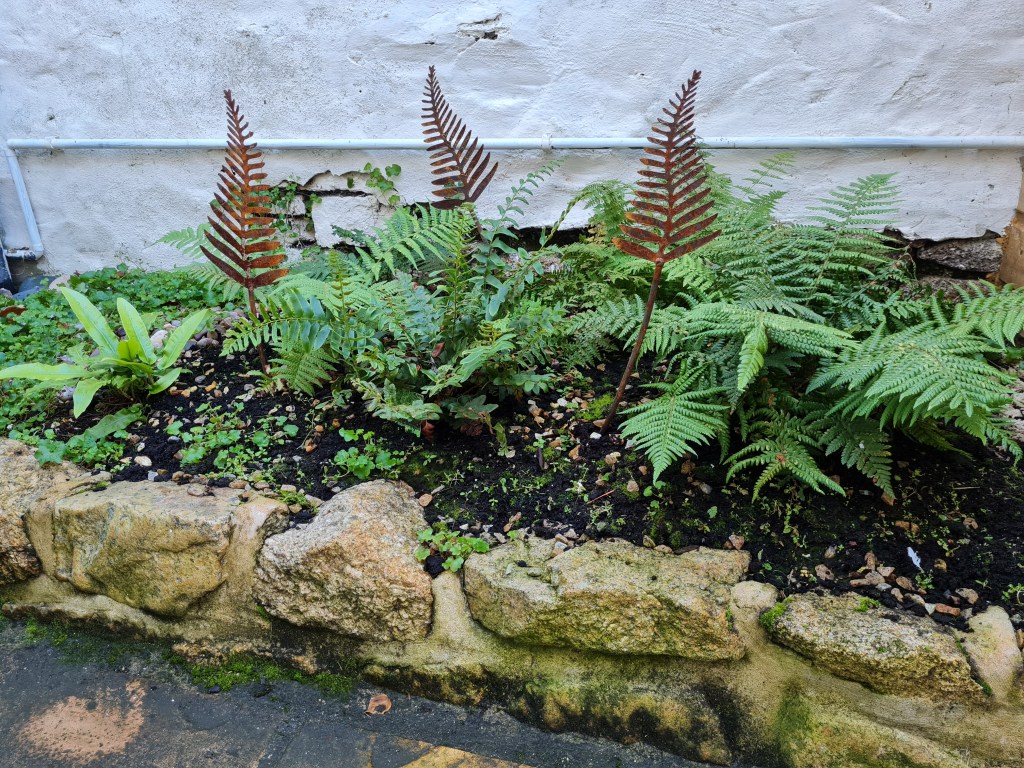
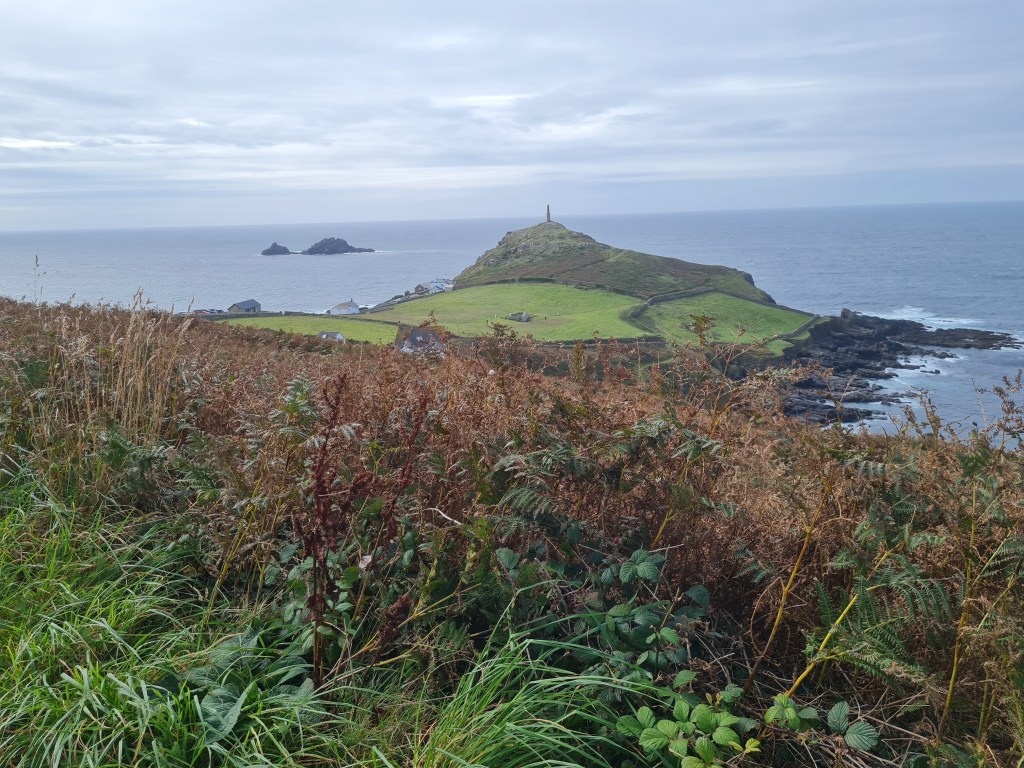
Early spring in West Penwith… some good walks and sunny days in between more unsettled wet weather. Saw some wonderful wildlife – soaring buzzards (Buteo buteo), kestrel (Falco tinnunculus), seals and oystercatchers, the peacock butterfly (Aglais io) and miner bees on dandelions. Did quite a bit at the flat, as well, including more plants and planters in the courtyard (native shade-loving geraniums, ferns, and rushes). Evenings with take-away by the fire and telly.
Walking to Carn Kenidjack – pencil and charcoal on paper